The best plans to discover South Coast of Iceland

Land of Iceland
7 nights€3,807per person

Summer in Iceland
Discover one of the most beloved islands in the land of ice and fire. Iceland with its volcanoes, geysers, hot springs and lava fields, offers you unforgettable emotions.
7 nights€4,201per person

Iceland in Winter
Discover one of the most beloved islands in the land of ice and fire. Iceland, with its volcanoes, geysers, hot springs, and lava fields, offers unforgettable thrills.
5 nights
What to see in South Coast of Iceland?
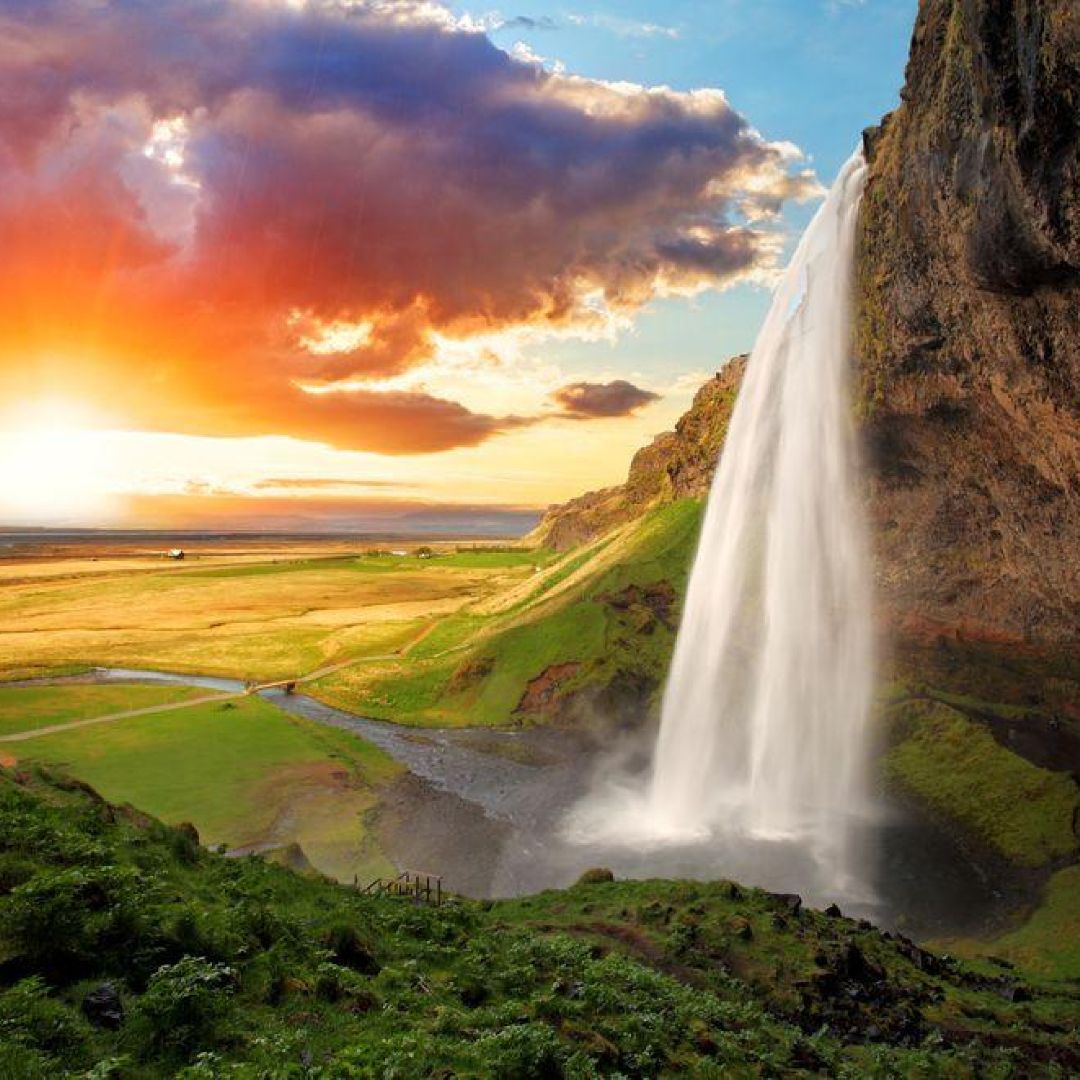
Seljalandsfoss waterfalls
Seljalandsfoss is a unique waterfall that allows visitors to walk behind its curtain of water, offering an unparalleled perspective. Its 60-meter height and green surroundings make it one of the most photographed waterfalls in the country. Nearby is Gljúfrabúi, a waterfall hidden among the rocks, which adds a magical touch to the experience.
Skogafoss
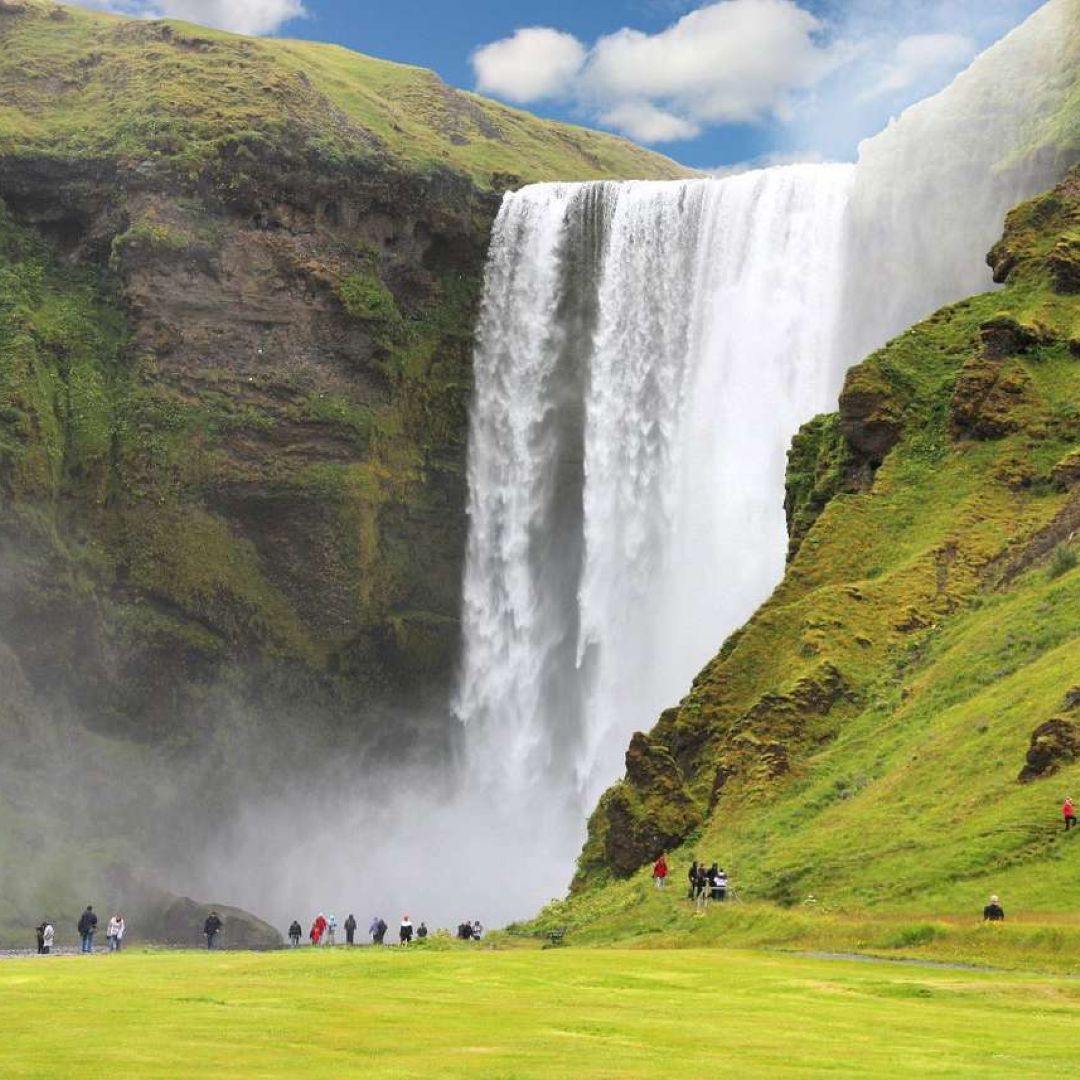
Skógafoss is a majestic waterfall, 60 meters high and 25 meters wide, located on the Skógá River. Its powerful fall frequently creates rainbows on sunny days. It is the starting point of the famous Fimmvörðuháls trail, which connects to the Þórsmörk Valley. According to legend, the first Viking settler in the area, Þrasi Þórólfsson, buried treasure in a cave behind the waterfall.
Vik i myrdal Church
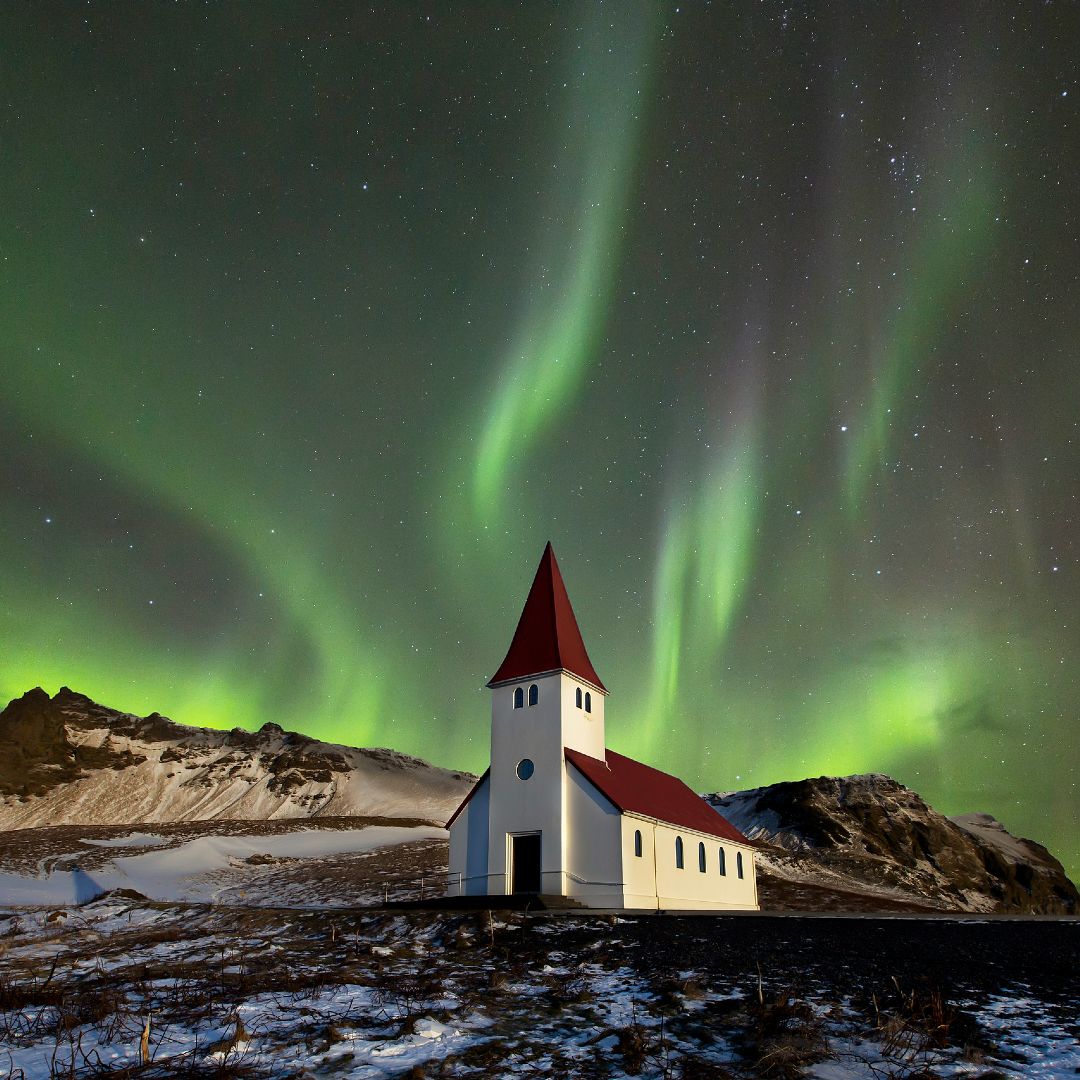
Perched on a hilltop overlooking the village of Vík and the Atlantic Ocean, Vík í Mýrdal Church is one of South Iceland's most recognizable icons. Its simple architecture and distinctive red roof make it a frequent feature on postcards and photographs of the country. Beyond its scenic beauty, the church plays an important role in the local community. In the event of an eruption of the nearby Katla volcano, this building has been designated as an evacuation point due to its strategic and safe location. With its natural setting of black beaches, cliffs, and volcanic formations, visiting this church offers not only a cultural experience but also one of the best panoramic views in the region.
Eyjafjallajokull Volcano
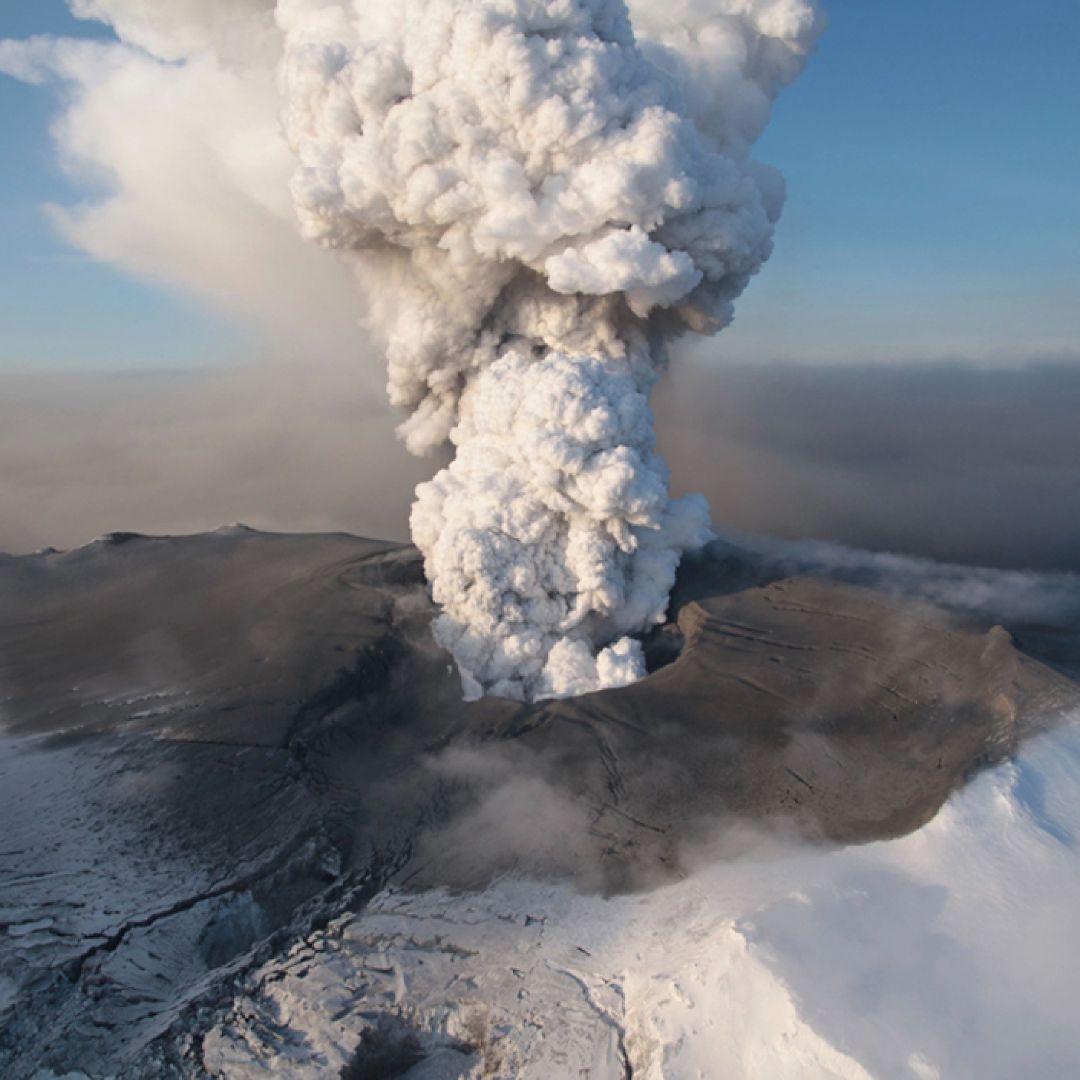
Eyjafjallajökull is one of Iceland's best-known volcanoes, both for its unpronounceable name and for its 2010 eruption, which captured worldwide attention by disrupting air traffic in Europe for several days. Covered by a glacier of the same name, this imposing volcano reaches a height of approximately 1,651 meters and is part of the volcanic landscape of southern Iceland. Its activity has shaped the region over the centuries, creating fertile plains, glacial rivers, and unique geological formations. Today, you can take guided hikes in its surroundings, visit local interpretation centers, and enjoy spectacular views of its snow-capped peak and the surrounding natural environment. Eyjafjallajökull is a clear example of the volcanic force that defines Iceland's geography and identity.
prev
next