What to see in Matsumoto?
Matsumoto Castle
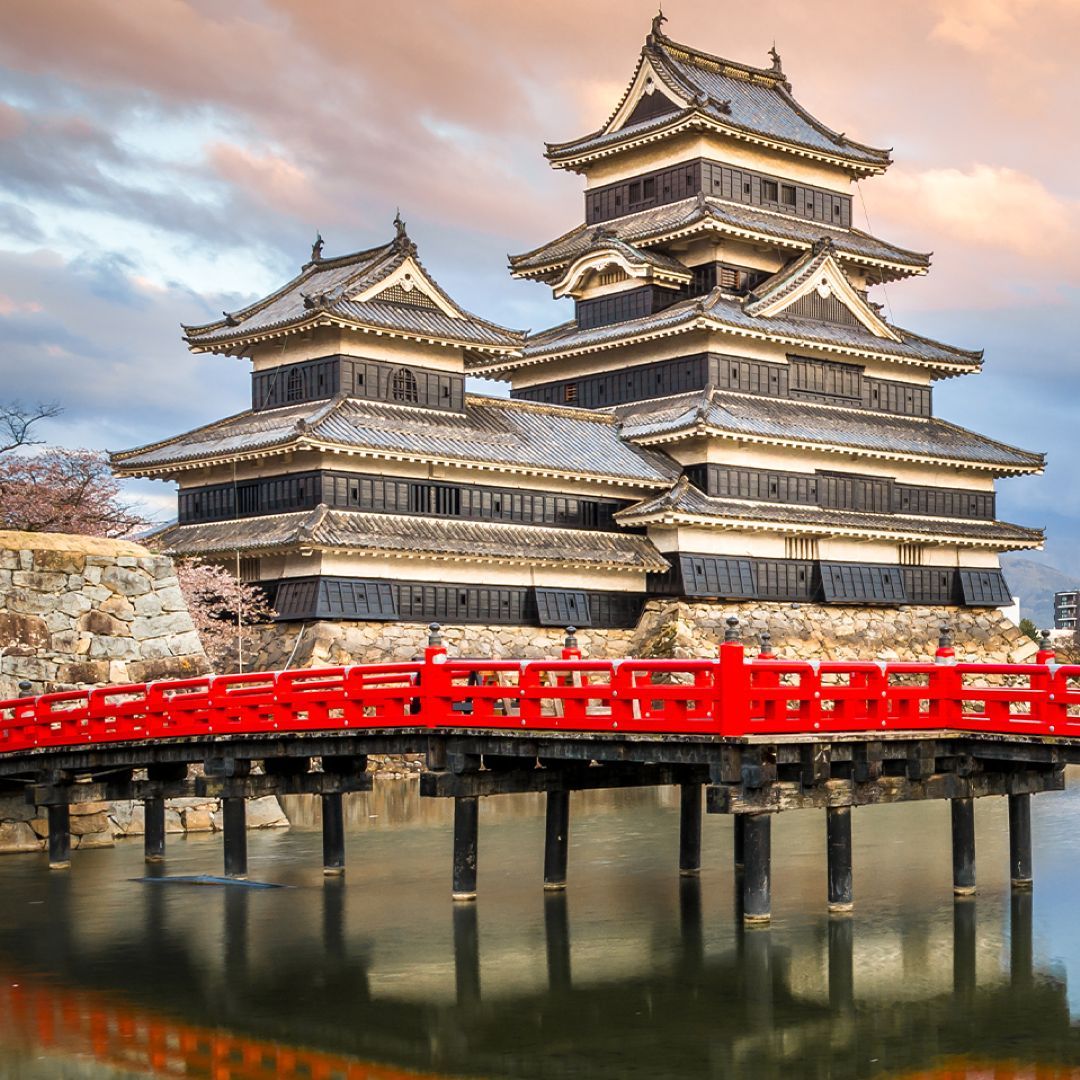
This Japanese castle is located in the town of Matsumoto. Its construction dates back to the Sengoku era, when it was built as a fort and was named Fukashi Castle. Also known as Crow Castle because of the black color of its walls, it is one of the greatest examples of fortresses built on plains (hirajiro). Due to the swampy lands of the plain, the builders were forced to make very solid structures, and to achieve this, they used long timbers fixed to the ground. Built between 1594 and 1597, it is 30 meters high, with six floors, and is supported by 7-meter stone walls that originally had a wide moat beneath them.It is considered a National Treasure of Japan and is one of the four castles of original construction to be so.
Kamikochi
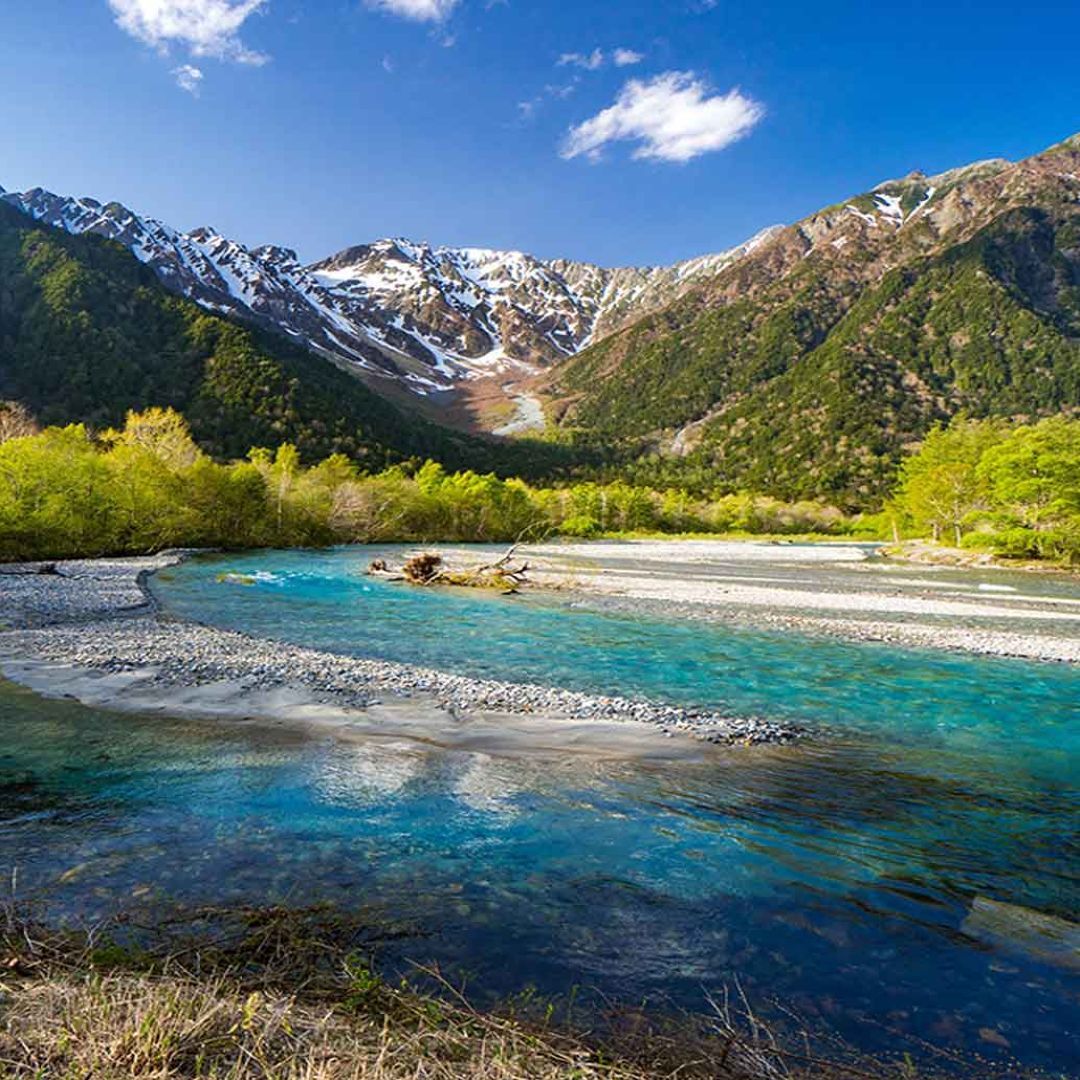
Kamikochi is a yet-to-be-developed resort. Located in the Northern Japan Alps within Chubu Sangaku National Park, this high mountain valley boasts some of the finest mountain scenery in the country; some consider it the jewel of the Japanese Alps. It is designated as one of Japan's National Cultural Properties, on the list of Special Natural Monuments and Special Places of Scenic Beauty. It is sometimes called the "Japanese Yosemite Valley," although it is considerably smaller than the Californian one.While other famous tourist destinations fall far short of their claims, Kamikochi has earned it. The approximately 15 km (9.3 mi) valley and its lush forests offer spectacular views of the surrounding mountains, including the Yakedake Volcano and the Hotaka Mountain Range that dominates the region. The Azusa River flows through the valley, filling Lake Taishō at the base of Mount Yake. Due to the valley's relatively flat topography, marshes and swamps are a common feature, including the Takezawa Marsh and the Tashiro and Myojin Marshes. Because the waters come primarily from melting snow or underground aquifers, the water temperature is cold, even in midsummer. The Tokusawa area at the northern end of the valley served as a grazing area for horses and cattle until 1934, when the area was fully incorporated into the park.
Kappabashi Bridge
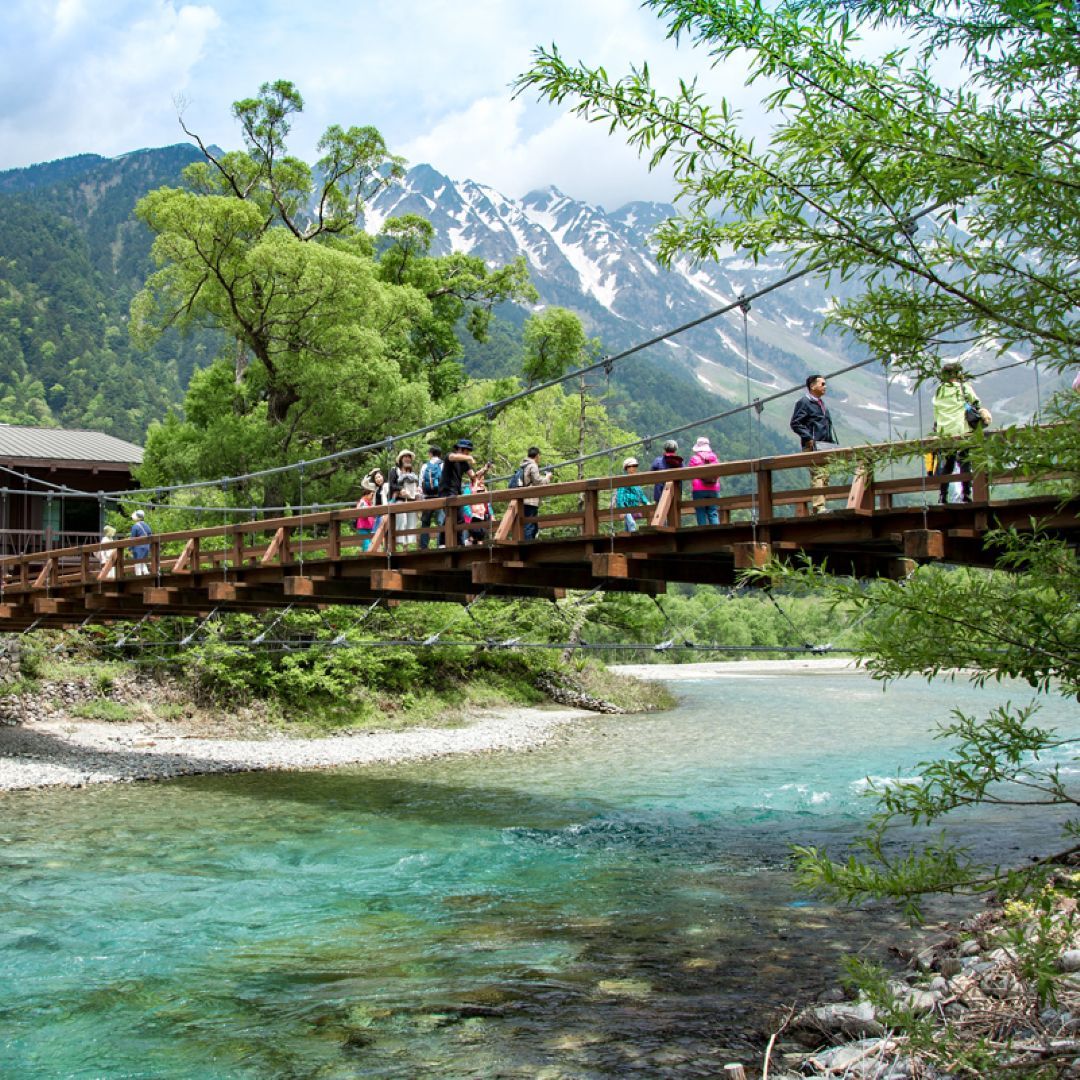
A nearly 37-meter-high wooden structure spans the Azusa River, famous for its rugged mountain scenery, a place of scenic beauty and a symbol of Kamikochi.
prev
next