The best plans to discover Andasibe
Essences of the South with Anakao Beaches
Antananarivo - Andasibe National Park - Behenjy - Antasirabe - Manandona Valley - Ambositra - Ranomafana National Park - Sahambavy - Fianarantsoa - Ambalavao - Anja - Isalo - Isalo
14 nights€4,525per person

Adventure in Madagascar from Madrid
Departures from Madrid.
18 nights€4,595per person

Following the Green Heart
Antananarivo - Andasibe National Park - Andasibe - Ambohimanga - Antananarivo - Antsiranana - 3 Bays - Emerald Sea - Nosy Suárez - Red Tsingys - Ambre Mountain National Park
10 nights€4,717per person

Baobab Expedition from Madrid
Departures from Madrid.
23 nights€5,762per person

Essences of the South
Antananarivo - Andasibe National Park - Behenjy - Antsirabe - Manandona Valley - Antsirabe - Ambositra - Ranomafana National Park - Sahambavy - Fianarantsoa - Ambalavao - Anjá Nature Reserve
12 nights
What to see in Andasibe?
Etnia Betsimisaraka
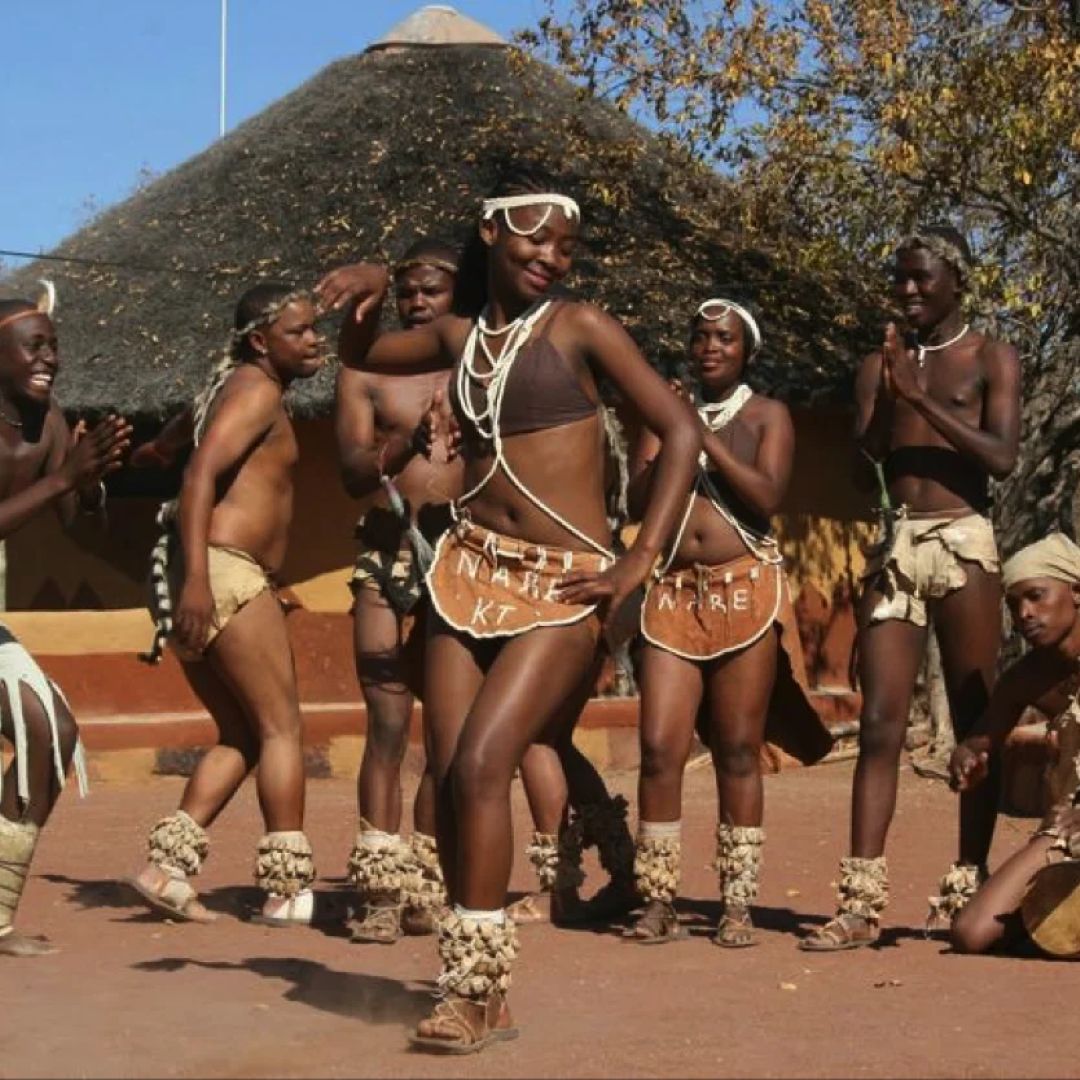
The Betsimisaraka are the second largest ethnic group in Madagascar (approximately 15% of the population), inhabiting the eastern coast. Their name means "the many inseparable ones," and the confederation was formed in the 17th and 18th centuries by Ratsimilaho. They are sedentary farmers and fishermen who cultivate rice, vanilla, and cloves. They are spread along the eastern coastal strip, from Antalaha in the north to Mananjary in the south, with Toamasina (Tamatave) being an important center. They emerged as a confederation in the 17th and 18th centuries to resist the European slave trade, unified by the leader Ratsimilaho. Their livelihood is based on subsistence farming (rice, slash-and-burn rice), fishing, and the cultivation of export crops such as coffee, vanilla, cloves, and lychee. They have traditions related to collective circumcision and a deep respect or mystical fear of lemurs and crocodiles. They traditionally build their houses with plant materials from the surrounding environment.

Analamazaotra National Park
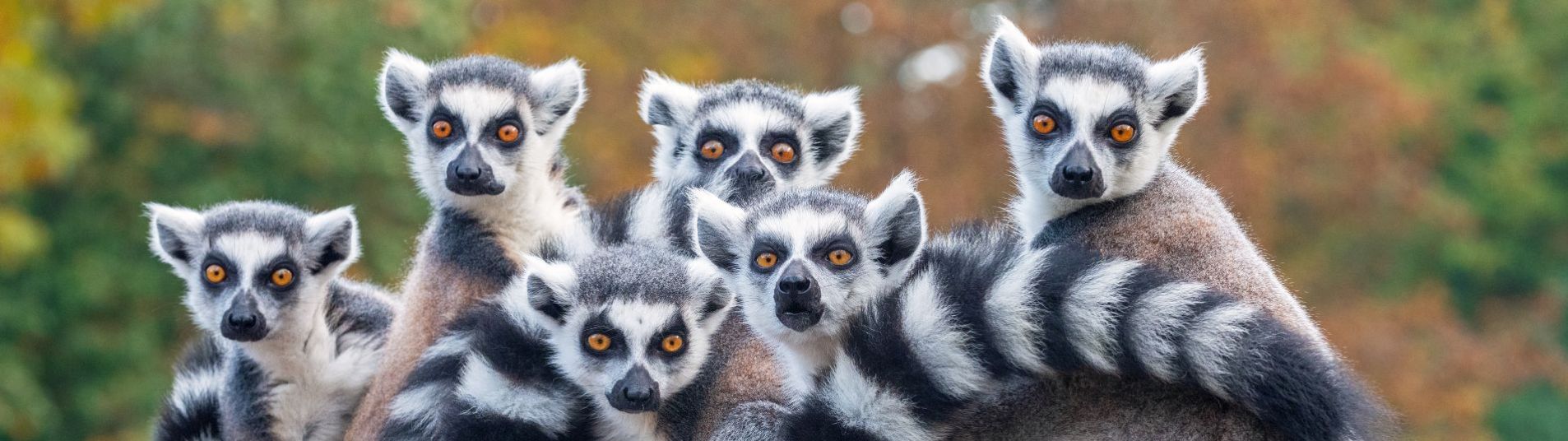
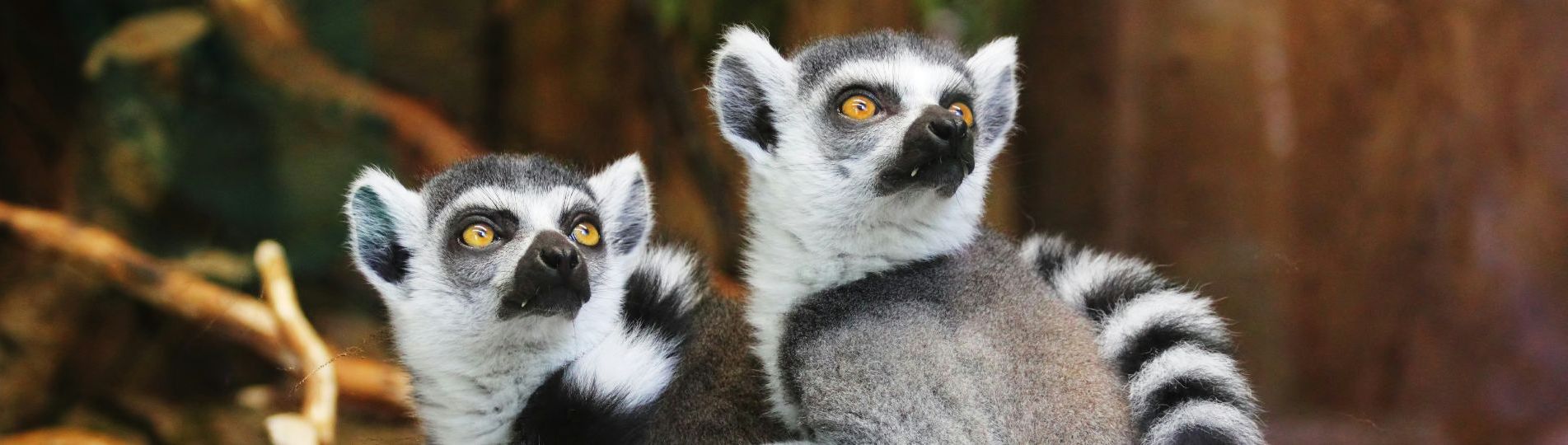
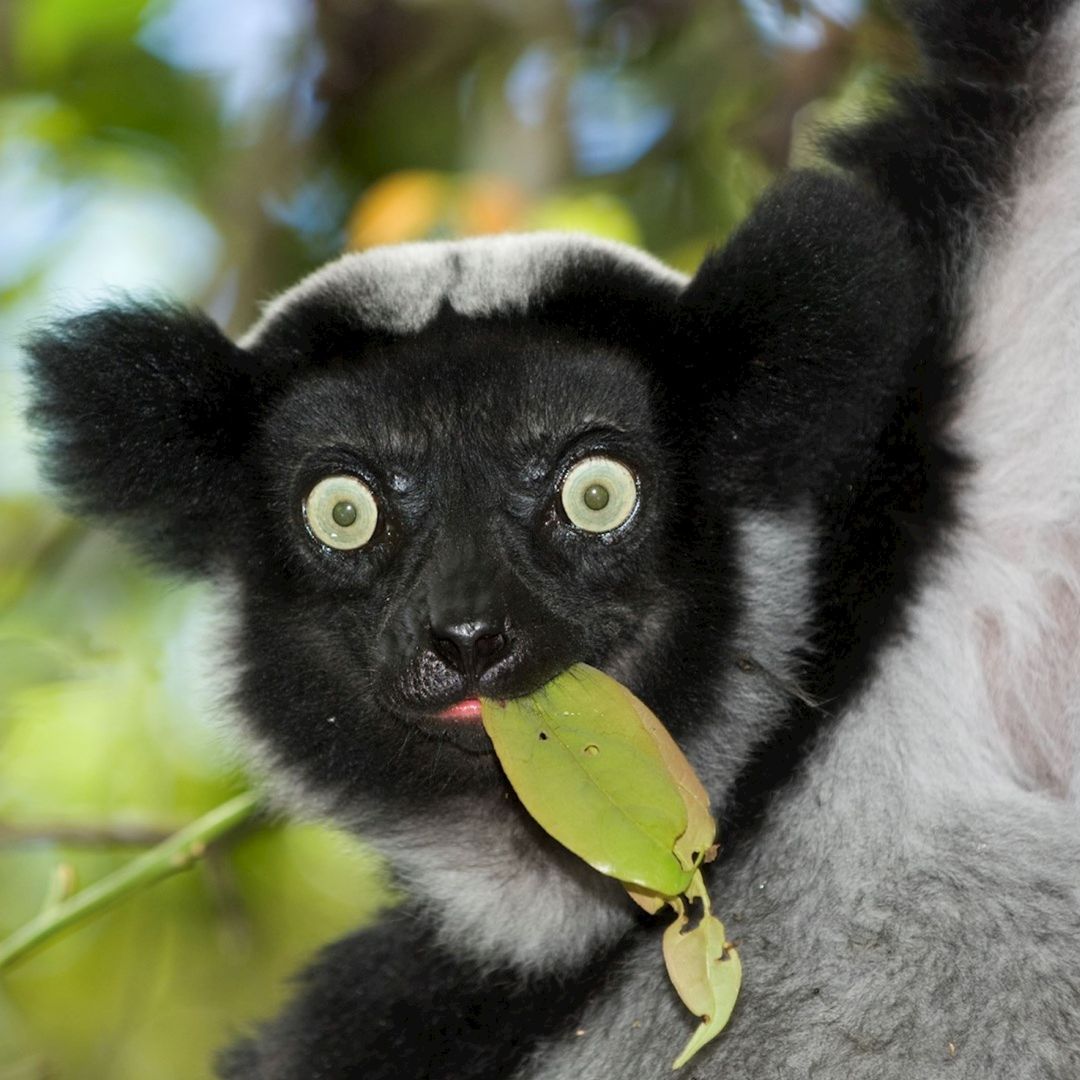
This iconic park, part of the eastern rainforest, is one of the best places in the world to observe lemurs in the wild, especially the impressive indri, whose calls echo through the dense undergrowth. Well-maintained trails lead into a lush ecosystem of giant ferns, orchids, and ancient trees, offering a unique sensory experience in direct contact with Madagascar's purest biodiversity.
prev
next