Jaffna
Jaffna, known as 'City of Harps' is the capital of the Northern Province of Sri Lanka, it is the second most important city in the country. Also the one with the largest Tamil population of Indian origin and therefore also Hindu, hence it is the cultural capital of the Tamils. The unknown area in the north of ancient Ceylon.
The city's population decreased greatly after the civil war, in which the Tamils wanted to achieve independence. It was between the Tamil Tigers and the Sri Lanka Army. This took place from 1983 to 2009 and where the most suffering was in this area, for that reason tourists could not go.
Thirteen years after the civil war, Jaffna is reborn as the paradise it once was. was: an inhospitable but friendly land, where locals savor the best mango in the world while the ocean makes love with islands of wandering fishermen.
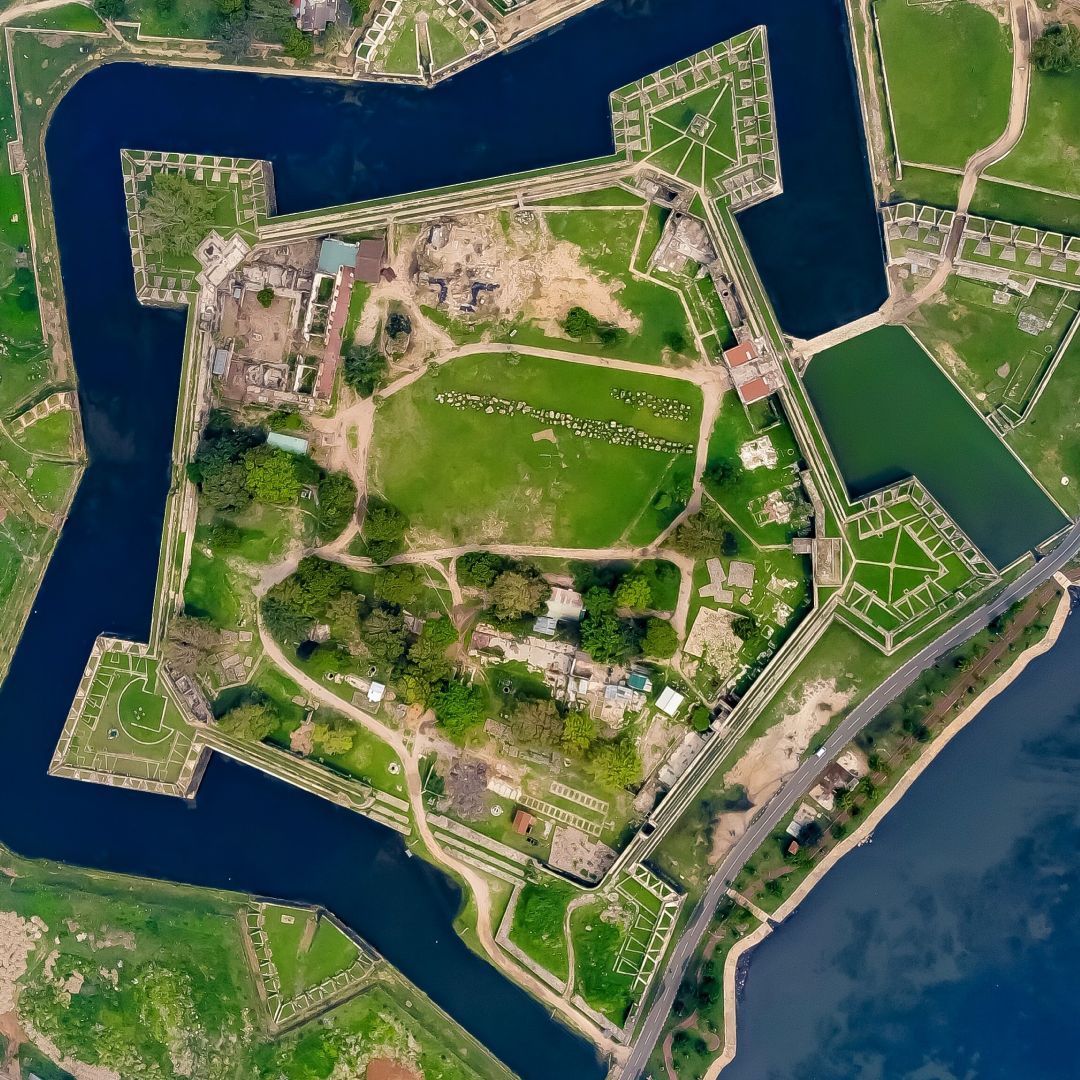
In the city, we find the Jaffna Dutch Fort, built in 1618 It was rebuilt and adapted with the Dutch and British invasions. In addition, it was also used during the Civil War. Inside the fort, we find buildings such as the Governor's residence or King's House, Queen's House, the Kruys Church, the police barracks and other buildings from the Portuguese era.
One of the most significant buildings is the Jaffna Public Library, burned during the Civil War and it should be noted that it was one of the largest in Asia. It was reopened in 2004.
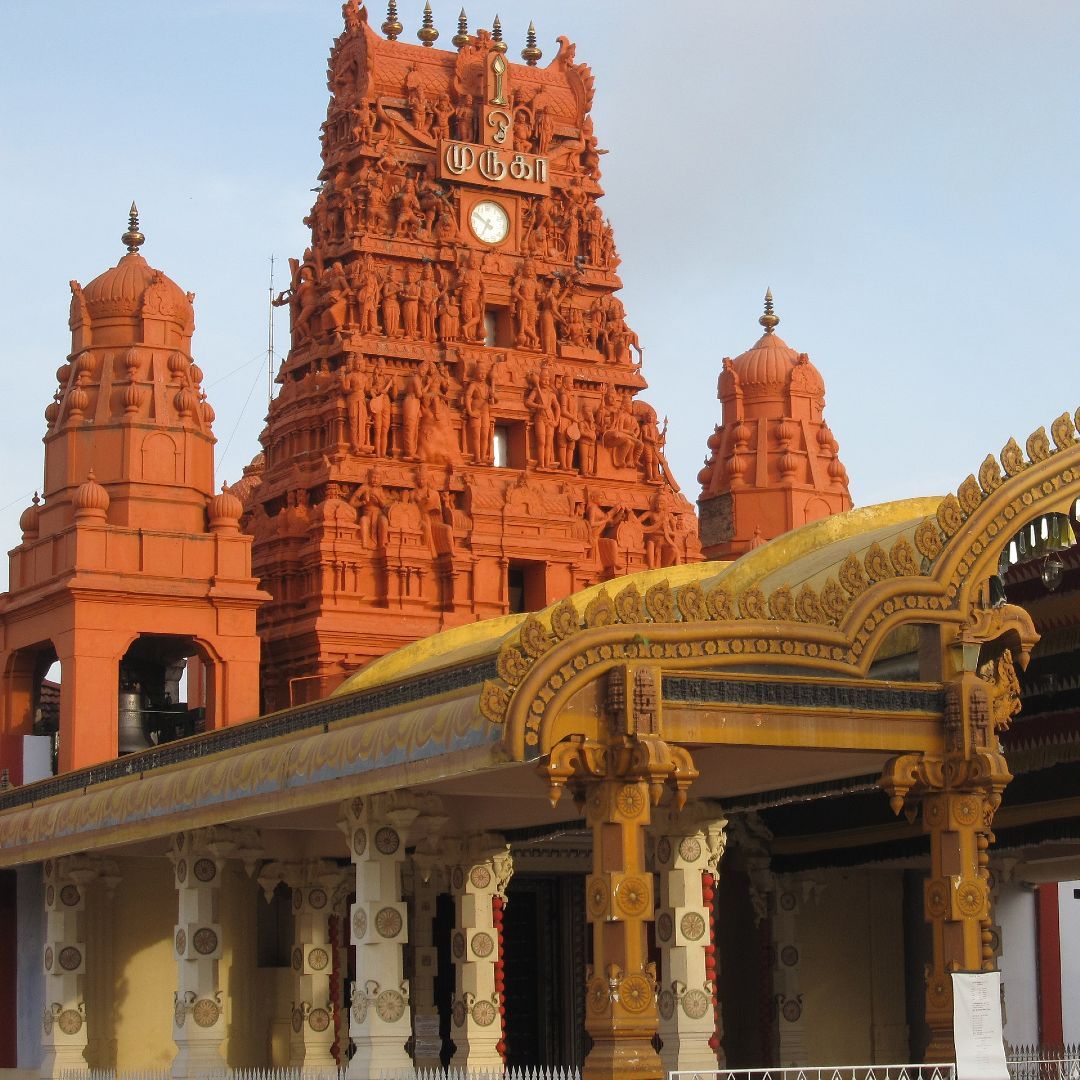
The Nallur Kandaswamy Kovil temple is one of the most representative of the Hindu religion in Jaffna. It was built on the same site where there was another temple centuries ago.
On the Island of Delft or Neduntheevu, different Tamil families live and you can see that the island is full of coral. There is also still a large Dutch presence and is notable for the wild horses that live there.