The best plans to discover South Korea

Essential Korea

Colors of Korea with Jeju Island

Colors of Korea

Heartbeats of Korea

Imperial Korea

Multicolored Korea

Roads to Korea

The Best of Korea
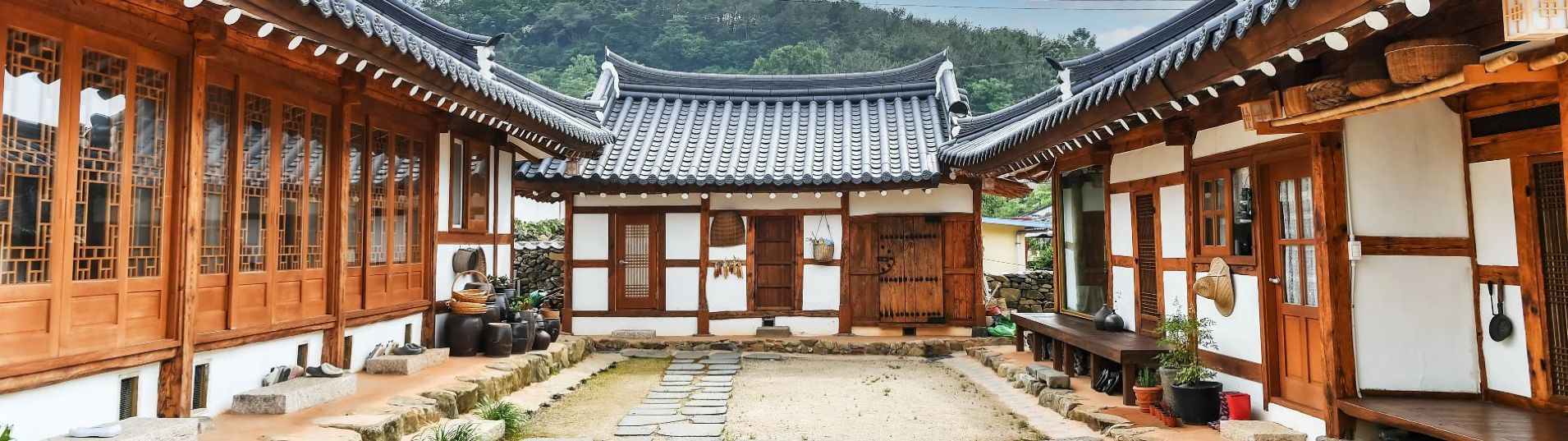
Traditional Korea
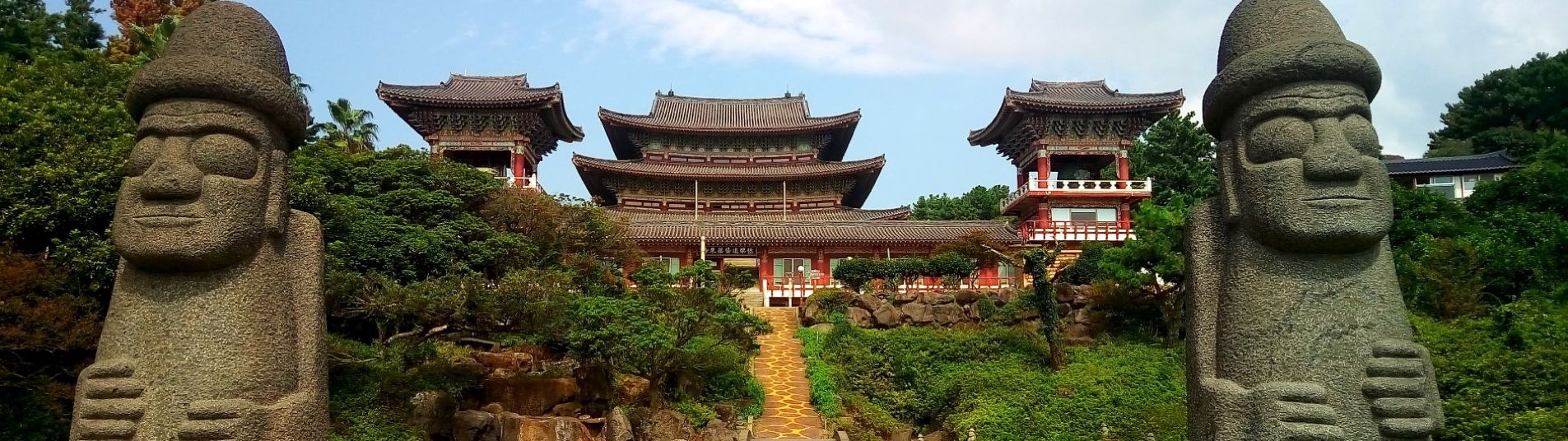
Wonders of Korea
What to see in South Korea?





Useful information for traveling to South Korea
The official language of South Korea is Korean, spoken by the vast majority of the population. It is characterized by its own alphabetic writing system, known as Hangul.
In South Korea, around 55% of the population does not follow any religion. Among those who do practice one, approximately 27% are Christian and 16% are Buddhist, in addition to small minorities practicing traditional religions such as shamanism.
In South Korea, respect for elders is very important, so it is common to greet them with a slight bow. It is also customary to remove one's shoes upon entering a house and to use both hands when giving or receiving objects as a sign of politeness. At mealtimes, it is customary to wait for the eldest person to begin eating first. Furthermore, family and traditions play a significant role, and holidays such as Chuseok, a harvest festival, and Seollal, the Lunar New Year, are celebrated, during which families gather and perform traditional rituals.
In South Korea, specific vaccinations are not required for entry. However, it is recommended to be up-to-date on common vaccinations such as hepatitis A and B, measles, and influenza to prevent illness during your trip.
The official currency is the South Korean Won. Coins come in denominations of 1, 5, 10, 50, 100, and 500 won. Banknotes come in denominations of 1,000, 5,000, 10,000, and 50,000 won. Currency exchange is available at airports and most banks. 1 euro is approximately equal to 1,460 won.
In South Korea, you can pay in several ways. Cash is used in markets, small shops, and public transportation. Credit and debit cards are widely accepted in shopping malls, restaurants, and hotels. In addition, mobile payments and QR code apps, such as KakaoPay or NaverPay, are very popular and convenient for almost all types of purchases.
In South Korea, electricity uses standard current, and the plugs are type C and F. You will need an adapter for your electrical devices.
South Korea has several modes of transportation. Cities have very efficient subways and buses, ideal for getting around within them. For travel between cities, high-speed trains are used; taxis are also common, and mobile apps make it easy to find and pay for them.
South Korea's time zone is GMT+09:00.