Luxotour
Luxotour
/Asia
/Nepal
/Kathmandu

Kathmandu

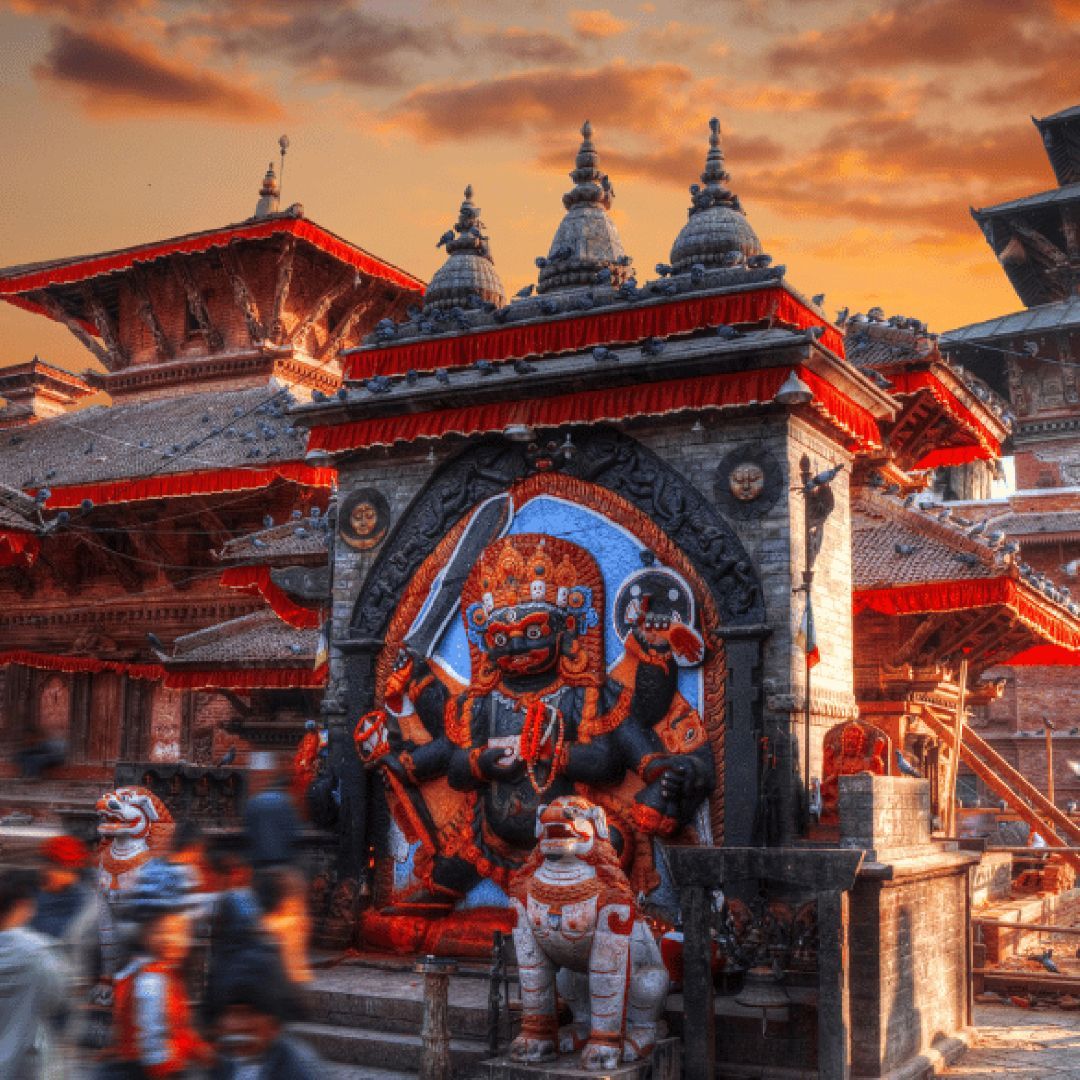
Kathmandu, the capital of Nepal, is located in a valley surrounded by the Himalayan mountains. At the centre of the streets of the labyrinthine city is Durbar Square, which fills with people during the Indra Jatra, a religious festival that includes masked dances. It is and has been for many years the centre of history, art, culture and economy of Nepal. Its wooden-carved houses and the multitude of temples that can be admired and visited make Kathmandu a monument in itself, with many highlights worth visiting.
Programs at Kathmandu

Treasures of Nepal

Kathmandu - Patan - Chitwan National Park - Pokhara - KathmanduExperience the high life at the top of the world on this 8-day trip to Nepal. Admire some of the
8 nights€2,048per person

Celestial Nepal

Kathmandu - Patan - Kritipur - Bhaktapur - Bandipur - Pokhara - KathmanduExperience the high life at the top of the world on this 8-day trip to Nepal. Admire some
8 nights

What to see in Kathmandu?

Thamel

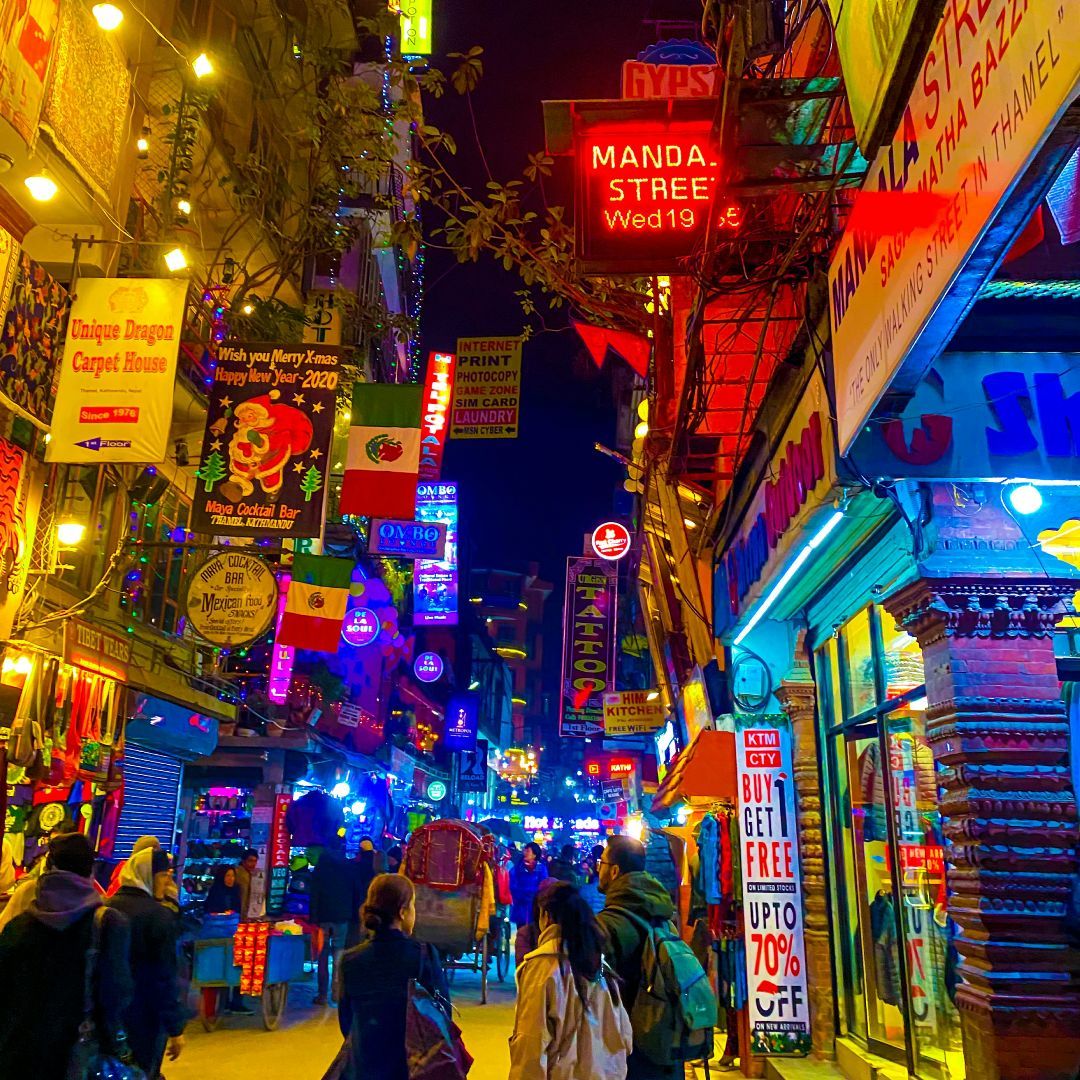
Thamel is the city's nightlife district par excellence, where tourists can enjoy a lively atmosphere. Its bars feature cover bands and its busy restaurants serve Nepalese and international cuisine. The iconic Garden of Dreams, designed in 1920, houses pavilions, fountains and urns. The area is home to markets and shops selling metal crafts, eye-catching jewellery and hiking gear, and Mandala Street is home to exclusive shops and spa centres.

Durbar Square

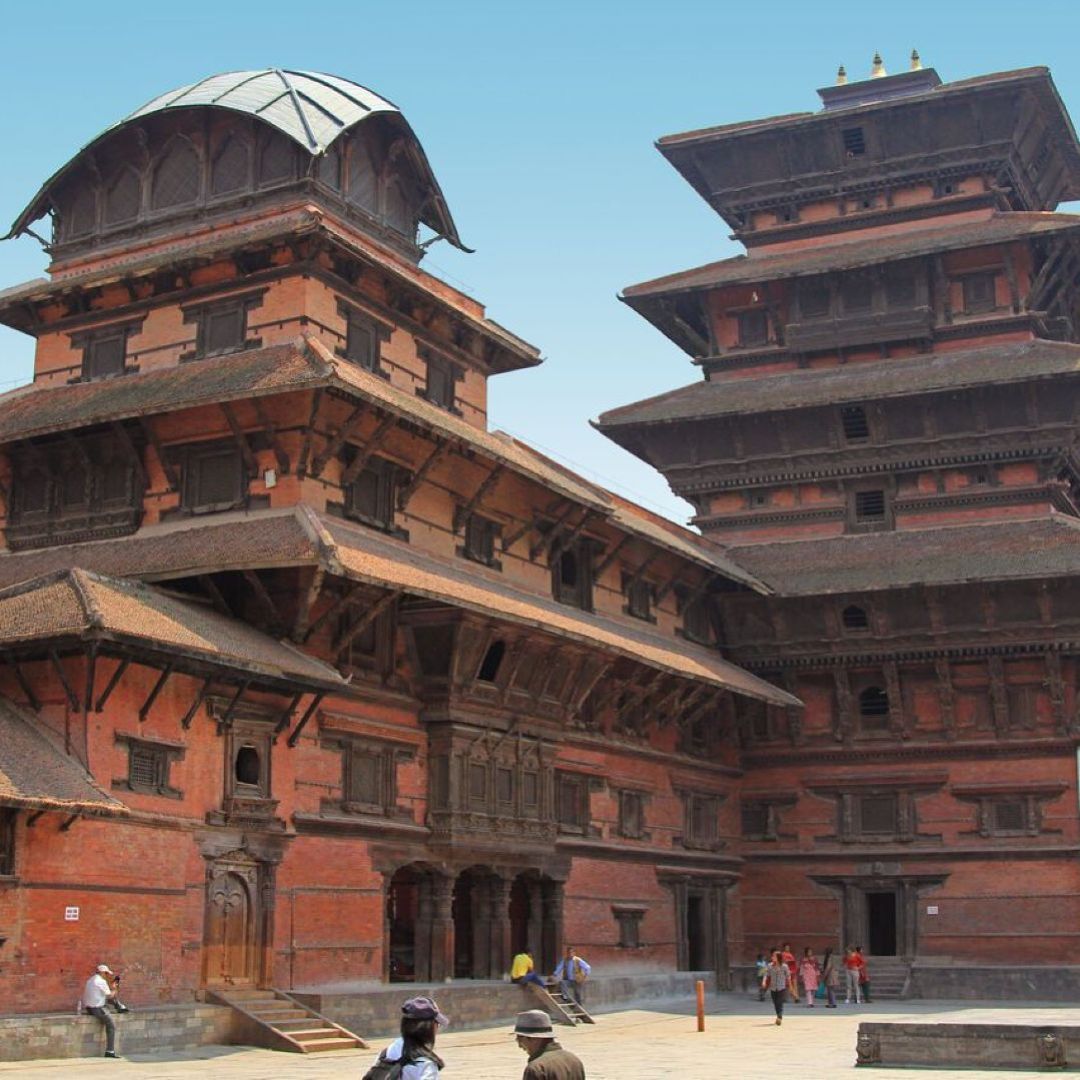
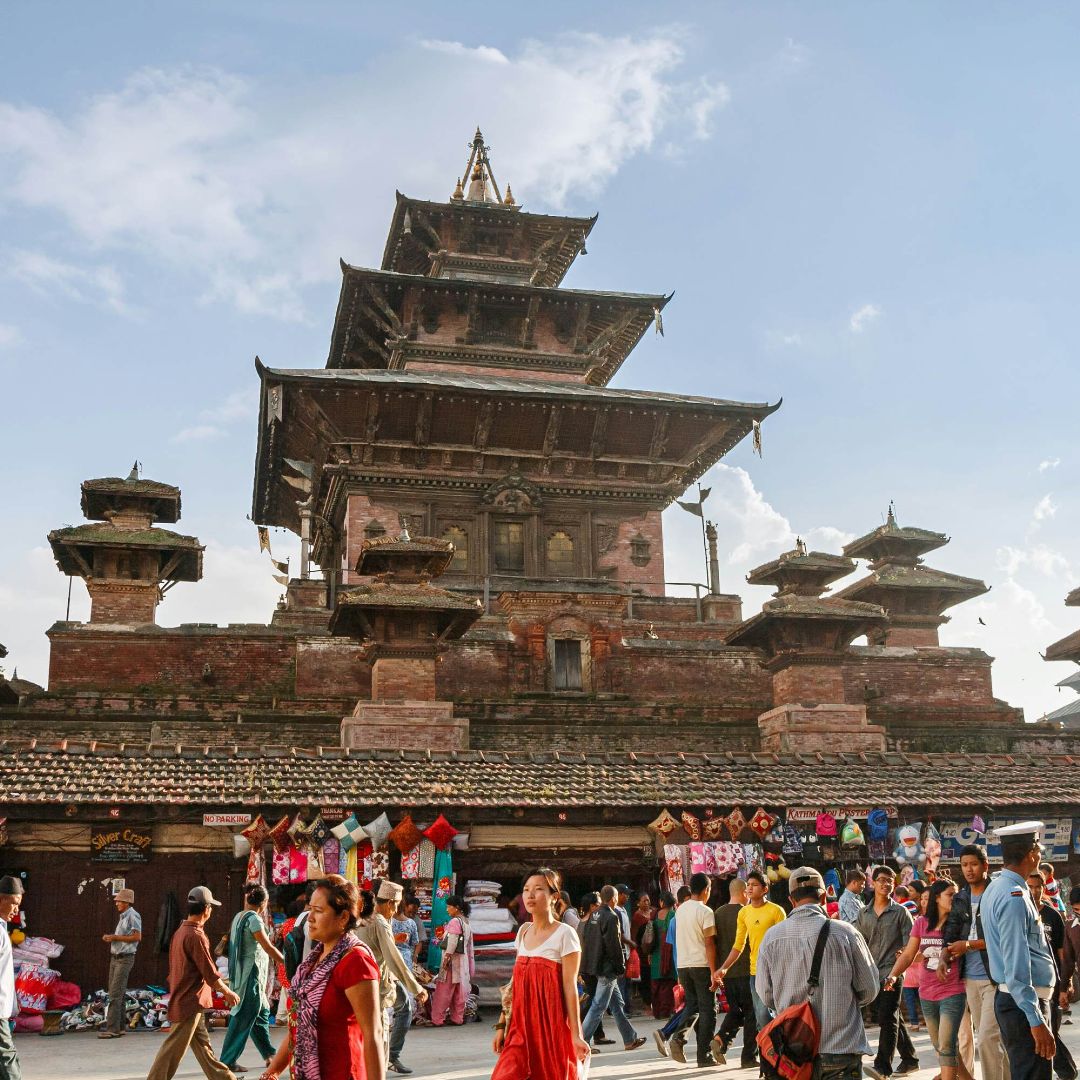
Kathmandu's Durbar Square is one of the most authentic and photogenic places in Nepal, where it seems that time stood still centuries ago. The square was surrounded by spectacular architecture and clearly shows the skills of Newar artists and craftsmen over several centuries.

Kumari ghar

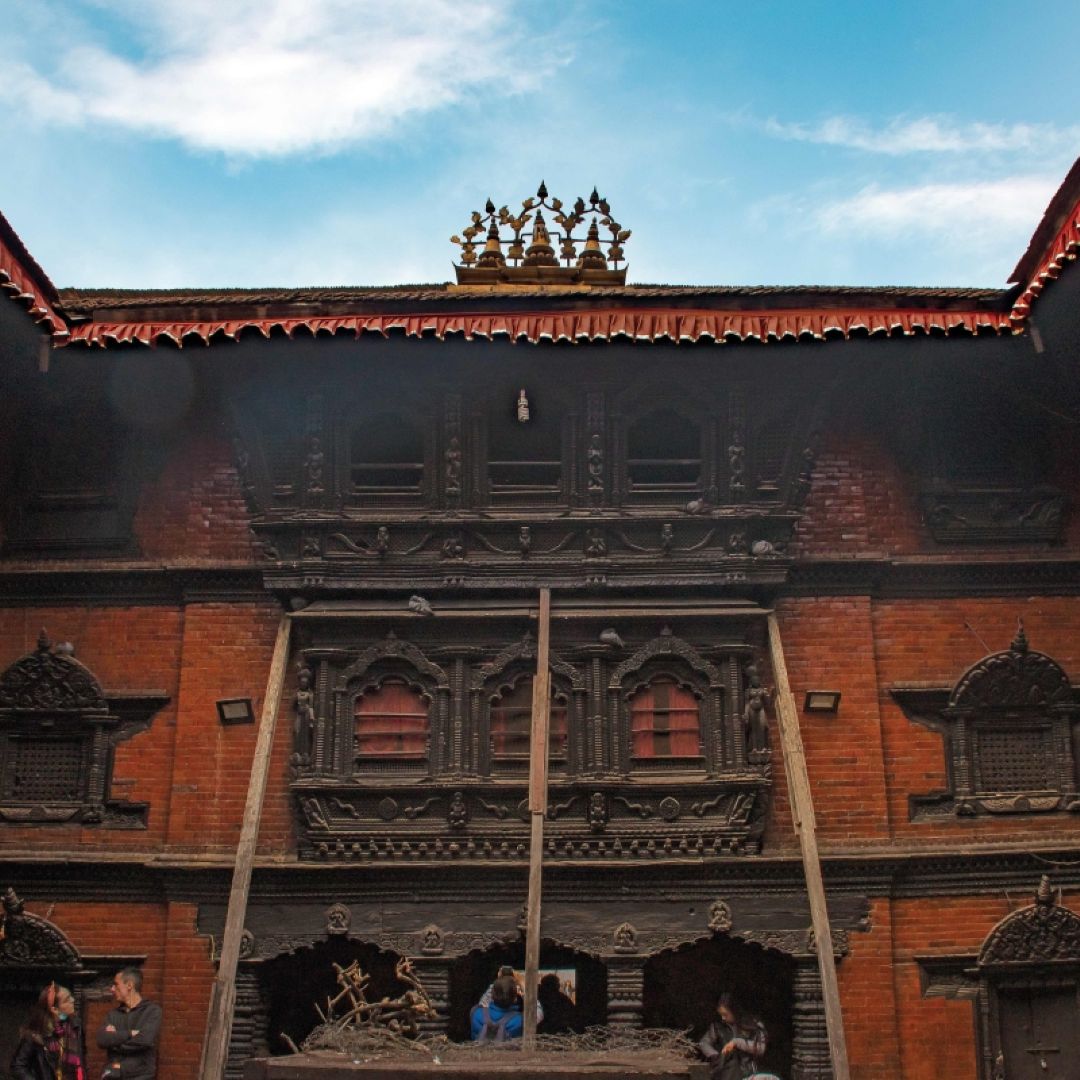
Kumari Bahal or Kumari Ghar is one of the wonderful palaces that border the Durbar Square in Kathmandu, declared a World Heritage Site by UNESCO. From one of these windows, the little Kumari of Kathmandu, the most famous and powerful of the three living goddesses of Nepal, looks out twice a day. Kumari are girls considered reincarnations of Taleju (the name of the goddess Durga) and, as such, are venerated by Nepalese Hindus and Buddhists.

Taleju Bhawani

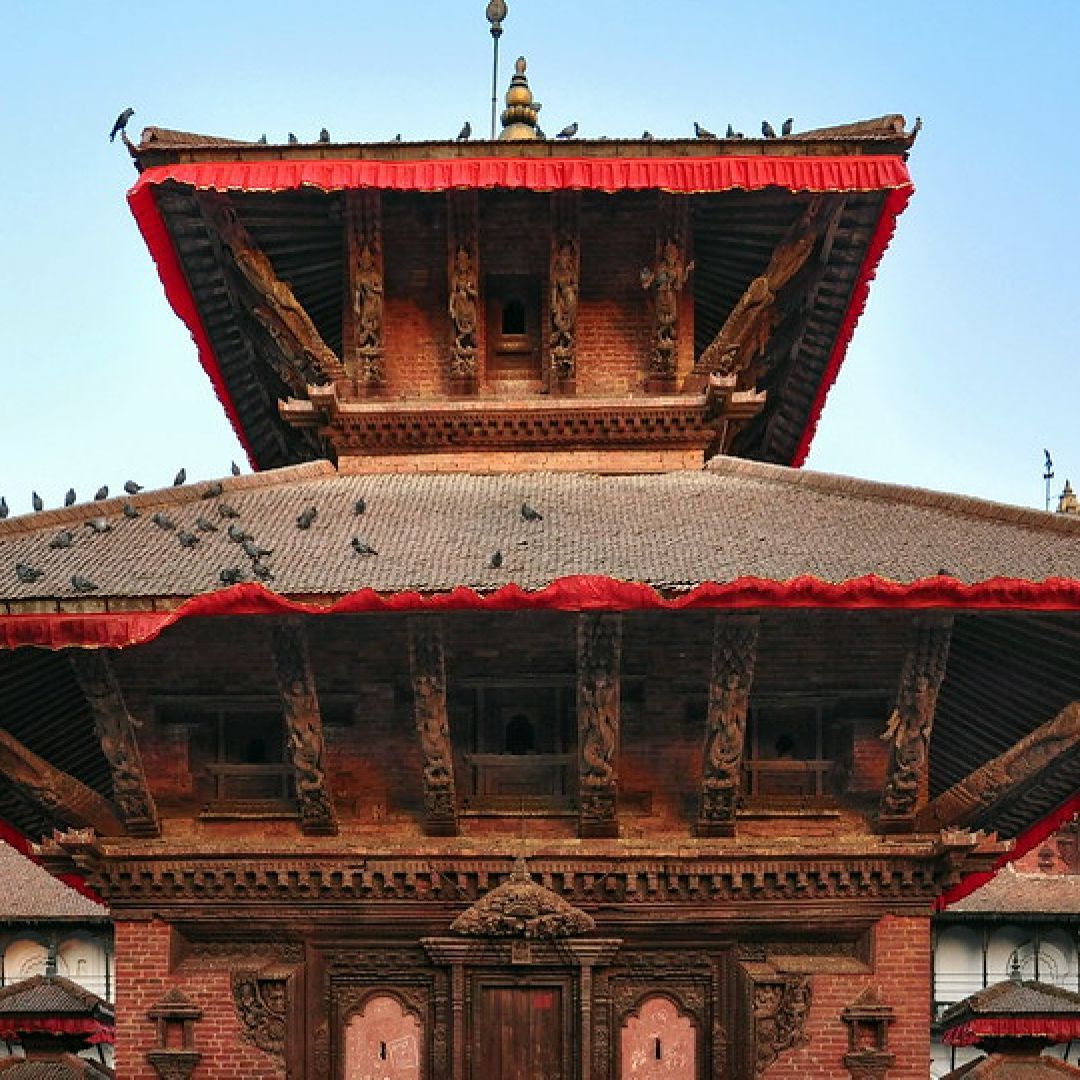
Taleju Temple is a Hindu temple dedicated to Taleju Bhawani, the royal goddess of the Malla dynasty of Nepal. It was built in 1564 by Mahendra Malla and is located in Hanuman Dhoka, Kathmandu Durbar Square, a UNESCO World Heritage Site.

Pashupatinah Temple

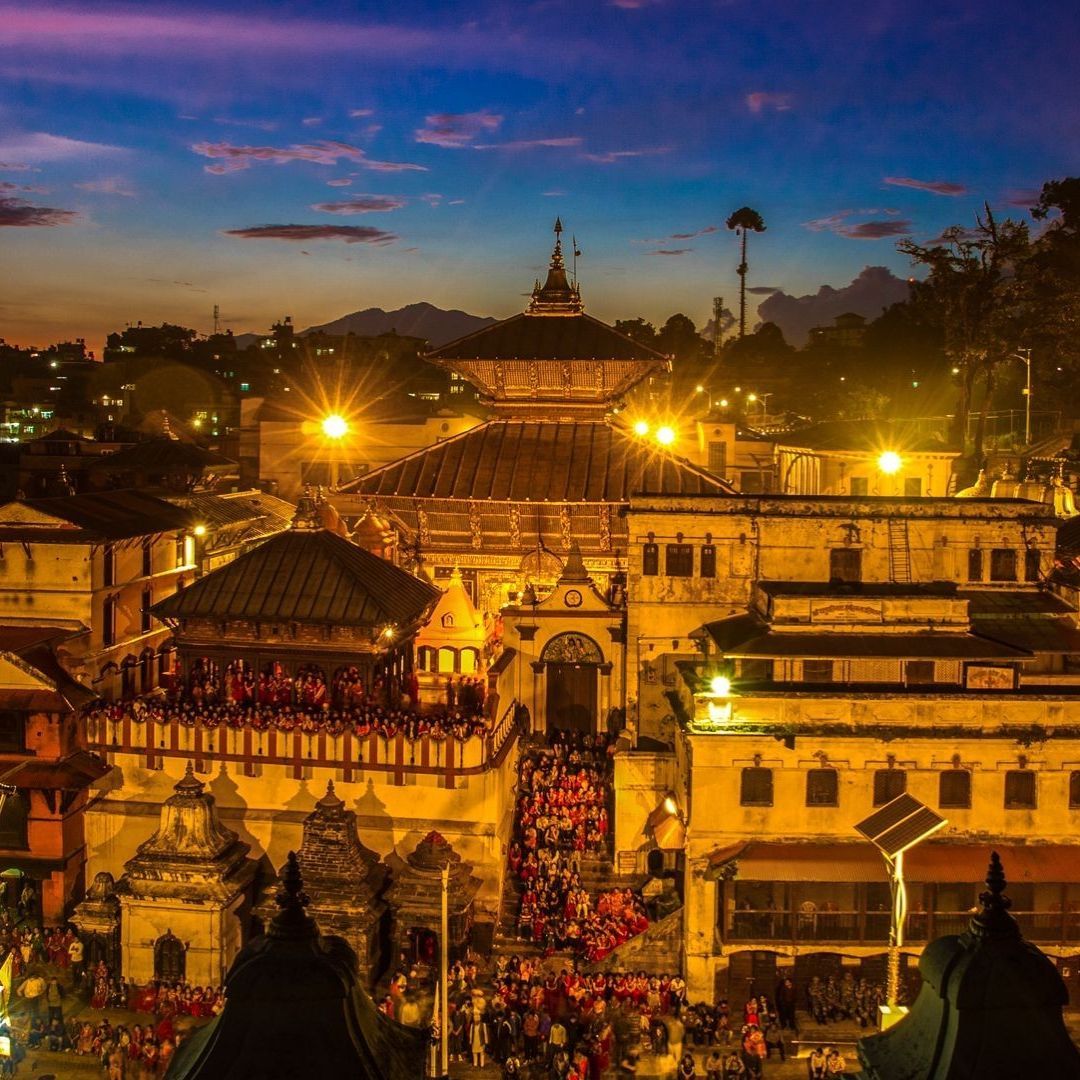
The Pashupatinath Temple in Kathmandu is one of the most important preserved Hindu Shiva temples in the world. Declared a UNESCO World Heritage Site in 1979, it is considered the most sacred of the Shiva temples and its name is no coincidence, since Pashupati is the “God of animals”. Its location in the capital of Nepal is perhaps one of the things that most attracts attention, since it is located on the banks of the Bagmati River and it is common to see faithful and holy men, known as ‘saddhus’, who visit the ghats to immerse themselves and purify their souls. The architectural style of Pashupatinath is that of a Nepalese pagoda, with each and every one of its characteristics. You can see a cubic construction, carved wooden beams and two levels of roofs with gold-plated copper. The temple has 4 main doors covered with silver sheets and a Gajur, which is the symbol of religious thought. At the western door you can also see a statue of Nandi or a big bull, plated in bronze. The surroundings are really beautiful and allow us to get closer to the Nepalese culture. In addition, the Pashupatinath temple is considered one of the most important pilgrimage sites for followers of Hinduism. Therefore, it is common to see thousands of devotees from all over the world every day.

Krishna temple

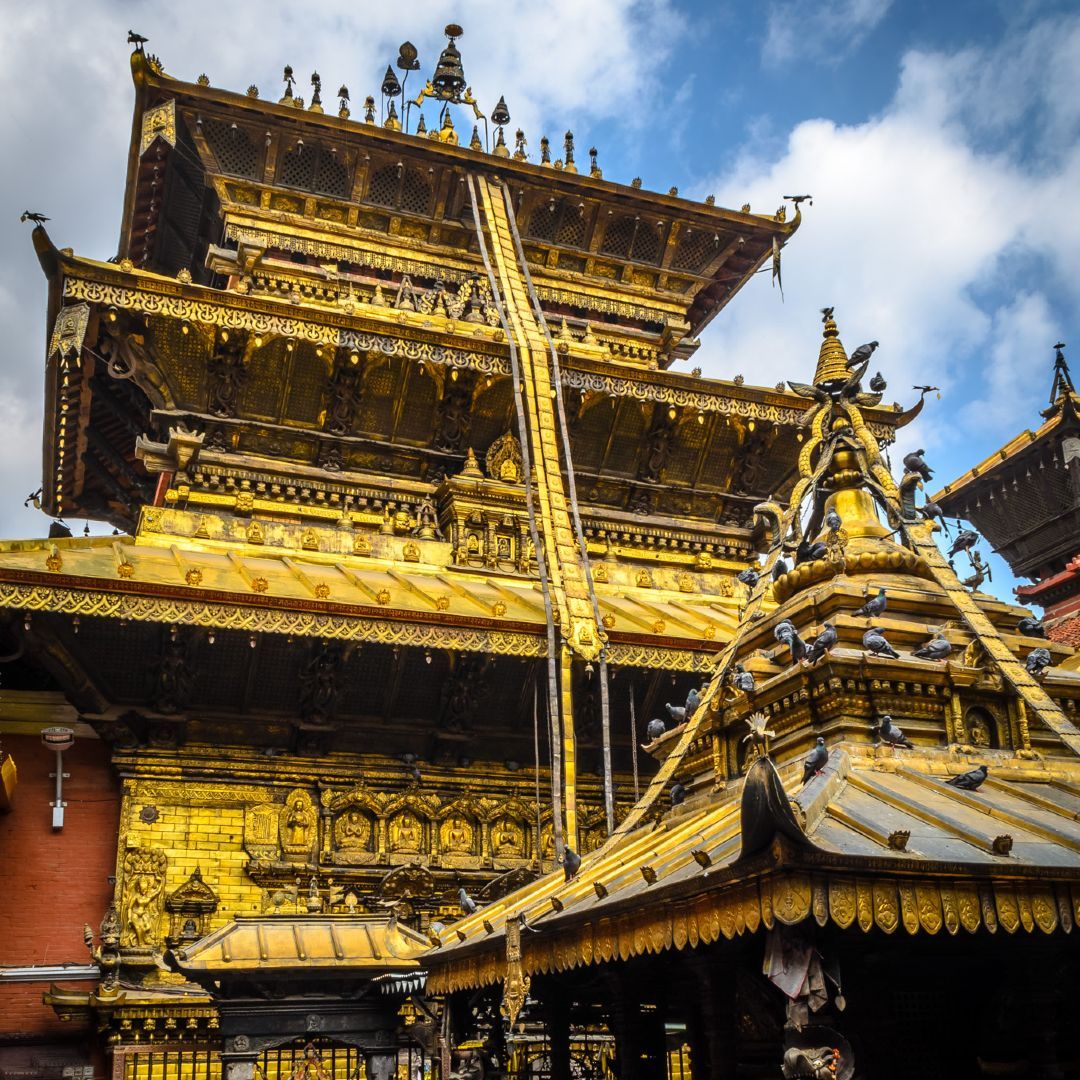
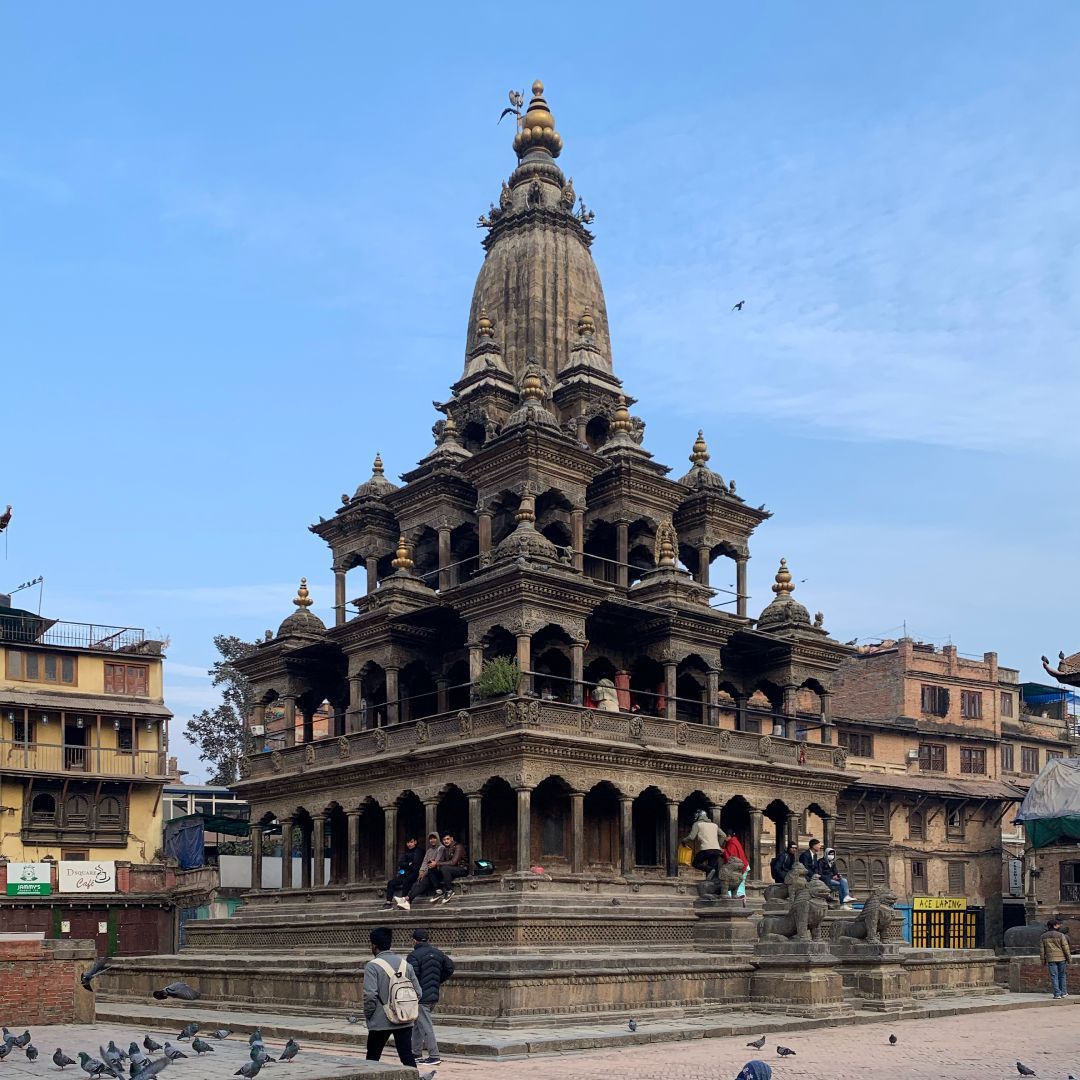
This wonderful temple, built in 1637 and dedicated to Vishnu, is located at one end of Patan's monumental Durbar Square. Khishna Mandir is a stone Hindu temple consisting of three floors, each supported by a multitude of columns. It has a beautiful legend, as it is said that it was built thanks to a dream that King Siddhi Narasigh Malla had, in which he dreamed that the gods Krishna and Radha were standing in front of the palace. The king had just emerged victorious from a battle with a neighboring country and, as a token of gratitude, he built the temple. The Krishna temple was built in the Shikhara style, consisting of 21 golden pinnacles and three floors. The first floor is dedicated to Krishna, the second to Shiva, and the third to Lokeshwar. The interior is decorated with beautiful scenes from the Ramayana legend. In front of it is a column with a statue of Garuda.

Mahavhar Rudra Varna

Rudra Varna Mahabihar is one of the most beautiful Bihars in Patan. The Bihar was built by the Lichhavi king Shiva Deva in the 6th century AD. Hence, the Bihara is called Shiva Deva Sanskarita. The king became a Buddhist monk in this Bihara and after a few days, following his master's instructions, lived as a house monk and spent a good part of each day in meditation before the Buddha image he had installed in the main shrine of Bihar. His children and grandchildren continued the tradition. 400 years later, this Bihara was renovated by King Rudra Deva.

Jagannath Mandir

The 14th century Jagannath Mandir is the oldest temple in the area with its steps carved with inscriptions in several languages.

Palace of the Malla Monarchs

The Malla dynasty, also known as the Malla Confederacy, was the ruling dynasty of the Kathmandu Valley in Nepal from 1201 to 1779. Founded by Arideva Malla. Although the later Mallas were considered to be of the Raghuvamsha dynasty, they were also seen as continuators and descendants of the Licchavi dynasty. Later Malla kings also traced a section of their lineage back to Nanyadeva, the founder of the Karnat dynasty of Mithila. The term malla means wrestler in Sanskrit. The first use of the word 'malla' in the Kathmandu Valley began in 1201. The Malla rule was magnificent and considered a golden period of rule, lasting for over 600 years as the Newar civilization of Nepal.

Hanuman Dhoka

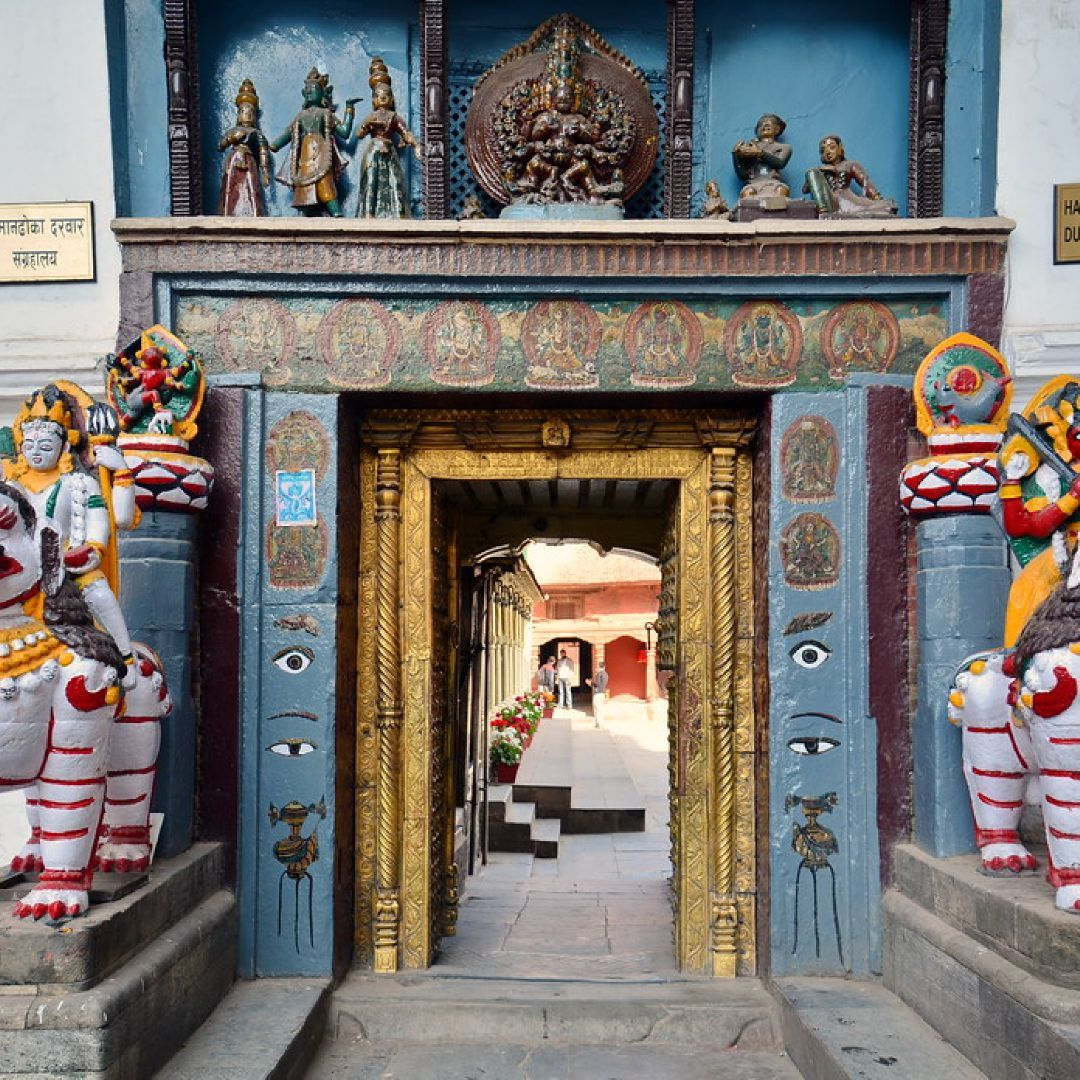
Hanuman Dhoka, also known as Hanuman Gate, was built in 1672. This gate is the entrance to the palace and is named after a statue of Hanuman (the monkey god) standing next to it. The statue is covered with a red silk cloth and a parasol, and a red paste is applied to its face during celebrations and offerings. However, today it is difficult to see the face as it has become a deformed red ball. Next to Hanuman Gate are the galleries where people gather to perform rituals or simply listen to the teachings of a guru. These galleries lead through these doors to the Nasal Chowk, or Dance Courtyard.
prev
next

Destinations related to Kathmandu

Asia

Nepal

Patan

prev
next
[email protected]
+34 952 386 777
Circuits
Getaways
Beaches
Safaris
Combined
Special departures
Weekends
Extensions from Marrakech
Mini-vacations
Private circuits
Sports
Easter Special
Destinations
Trips of more than a week
Trips of less than a week
one week trips
A couple
Families
  • ES
  • PT
  • EN
  • FR
Luxotour
Copyrights © LUXOTOUR S.A.U - AN -2906 1-1
General conditions
Privacy Policy
Legal notice