Egyptian Museum
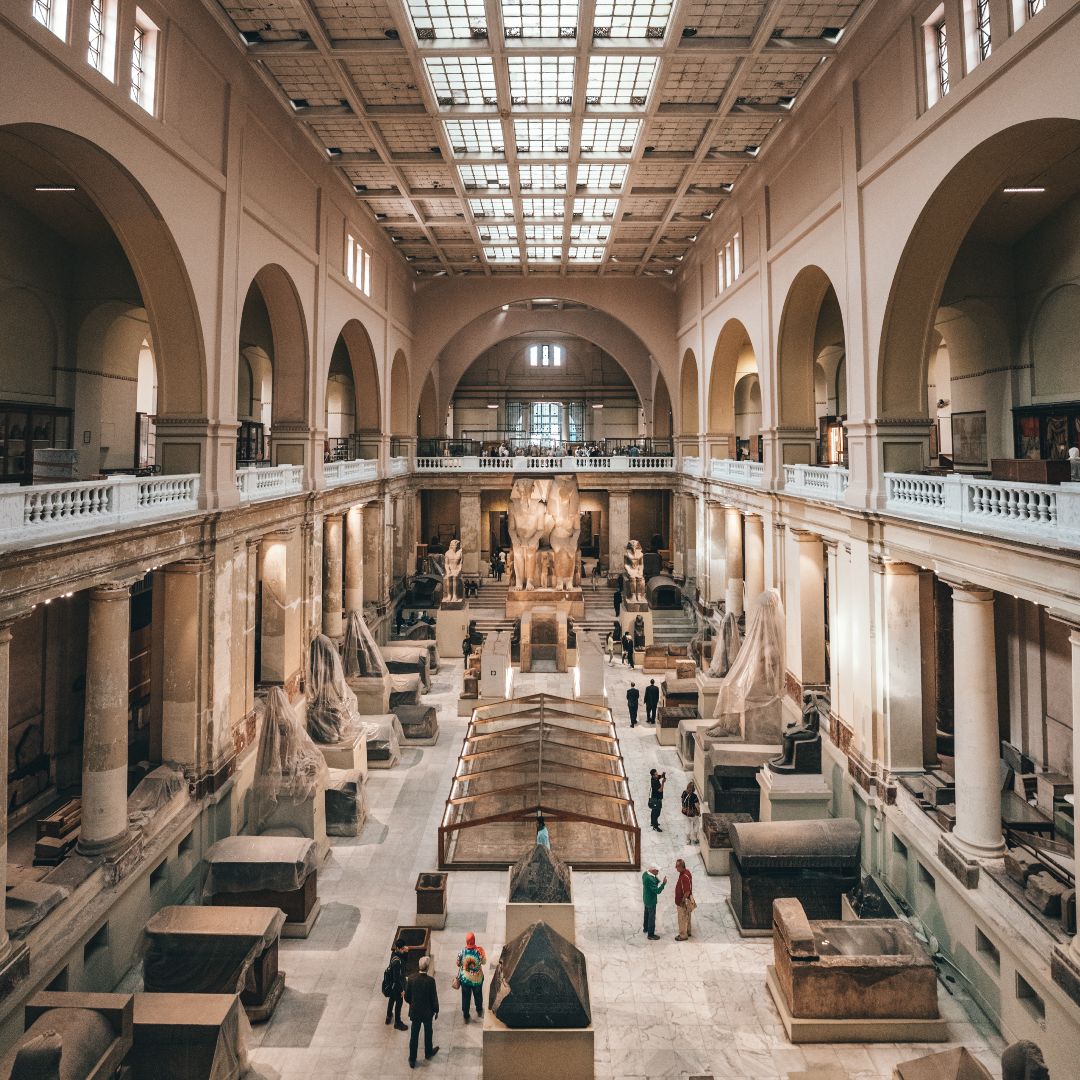
It contains the largest collection in the world on ancient Egypt, with more than 120,000 objects. Located in Tahir square. It was inaugurated on November 15, 1902, and experienced great growth from 1922, with the discovery of Tutankhamun's tomb by Howard Carter.
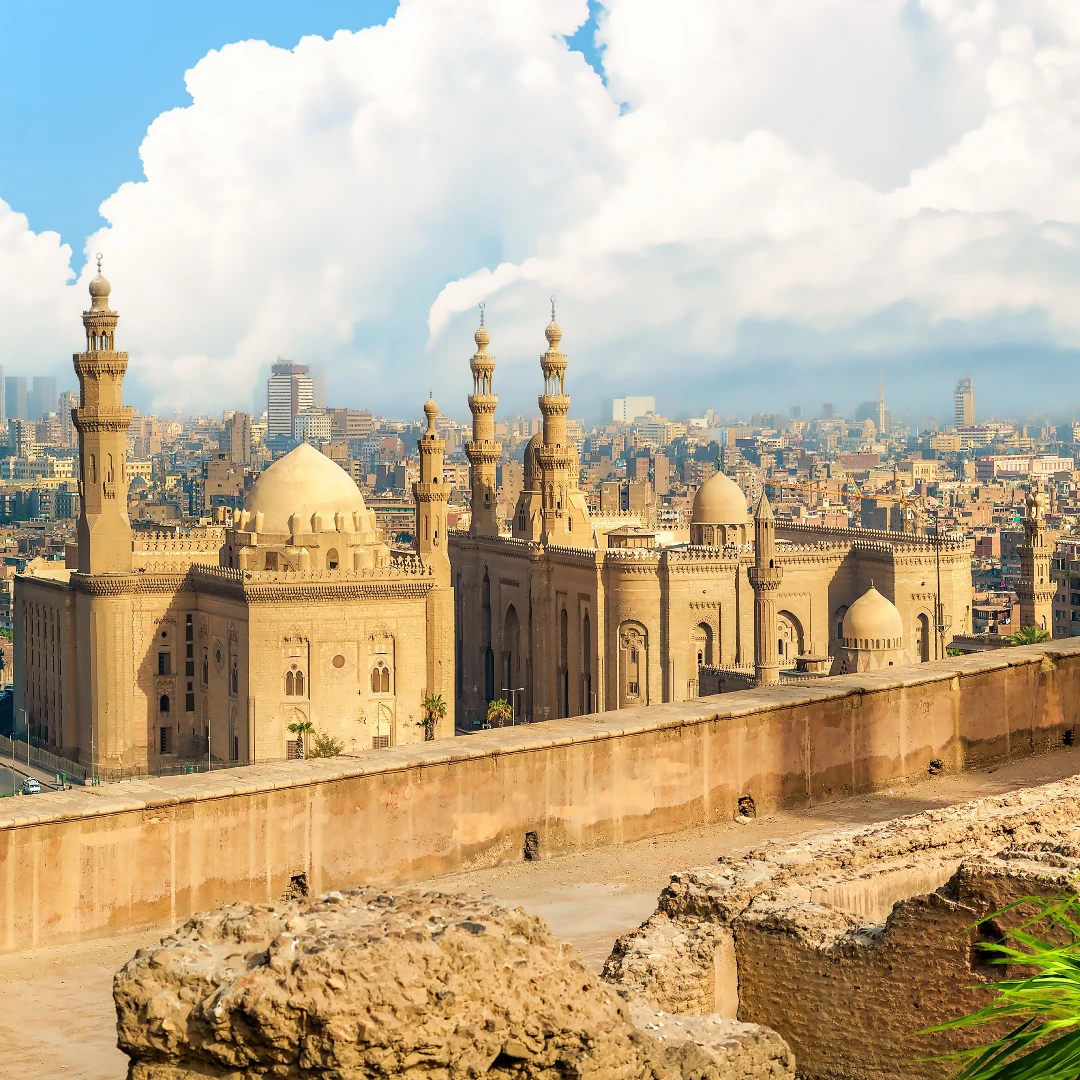
Saladin Citadel
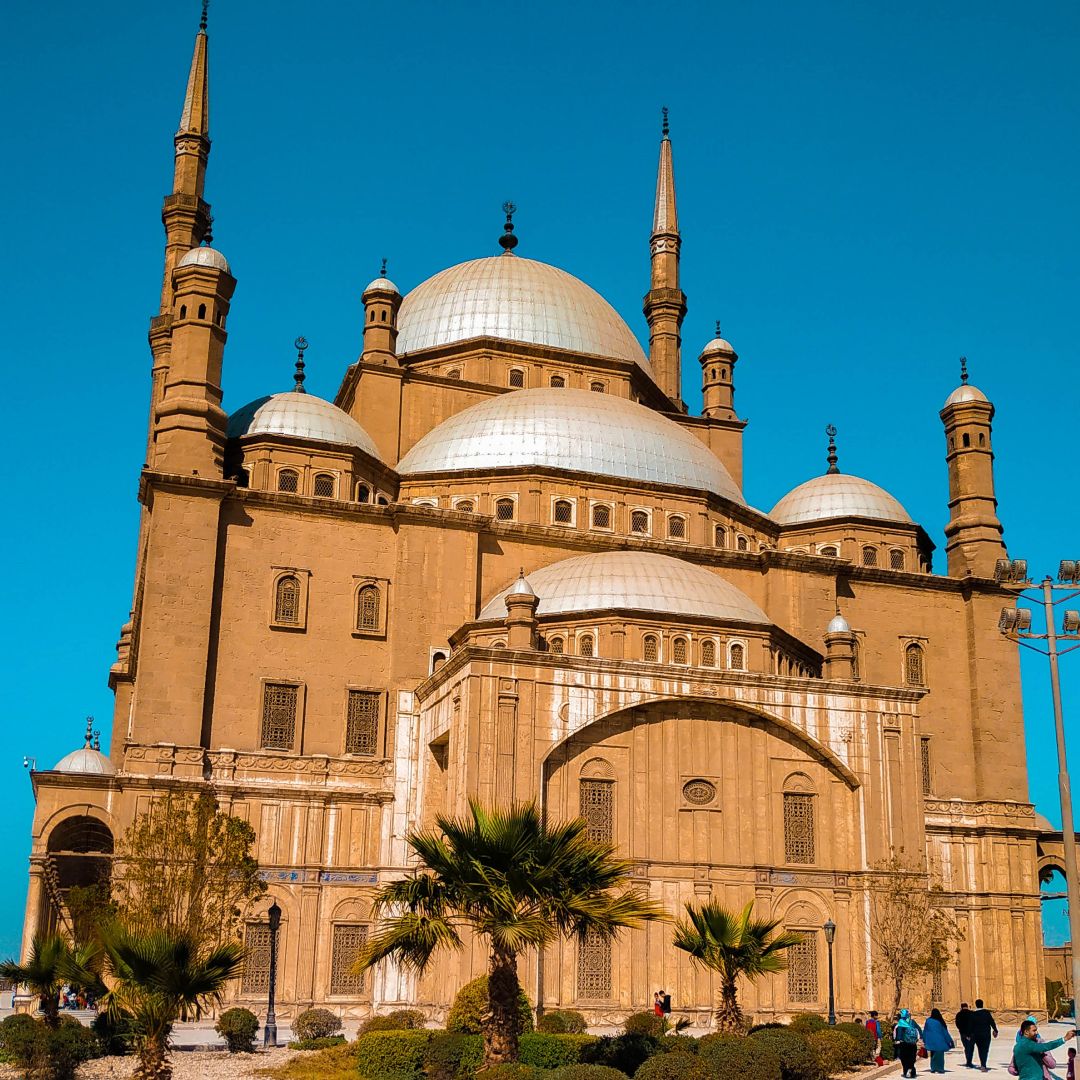
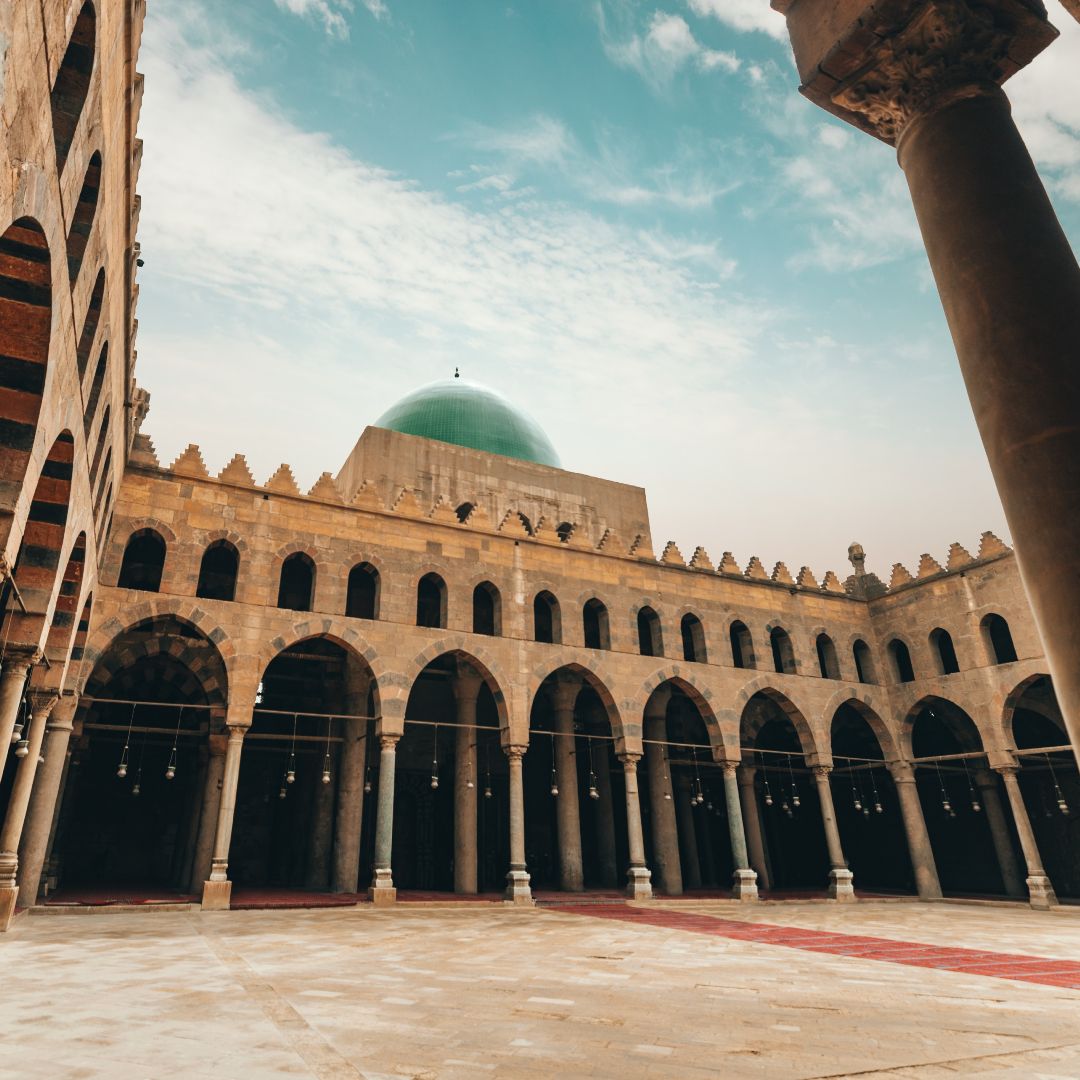
It is located on the Muzzattam hill. It was the refuge of all rulers from Saladin in the 12th century to Mehmet Ali in the 19th century.The fortress and walls on the east side were built by Saladin in 1176, and was enlarged to the west, where the Sultan Hassan Mosque and the main gate are located. In the southern part are the palaces: this area was enlarged by Mehmet Ali, who built the Alabaster mosque, completely covered with this material both inside and outside and which he decorated with marble and engravings on stucco. It consists of a large central dome supported by four columns and other smaller domes around it. It has two Ottoman-style minarets, a large courtyard with a fountain for ablutions, and a turret with a clock that, curiously, never worked.
Admad Ibn Tulun Mosque
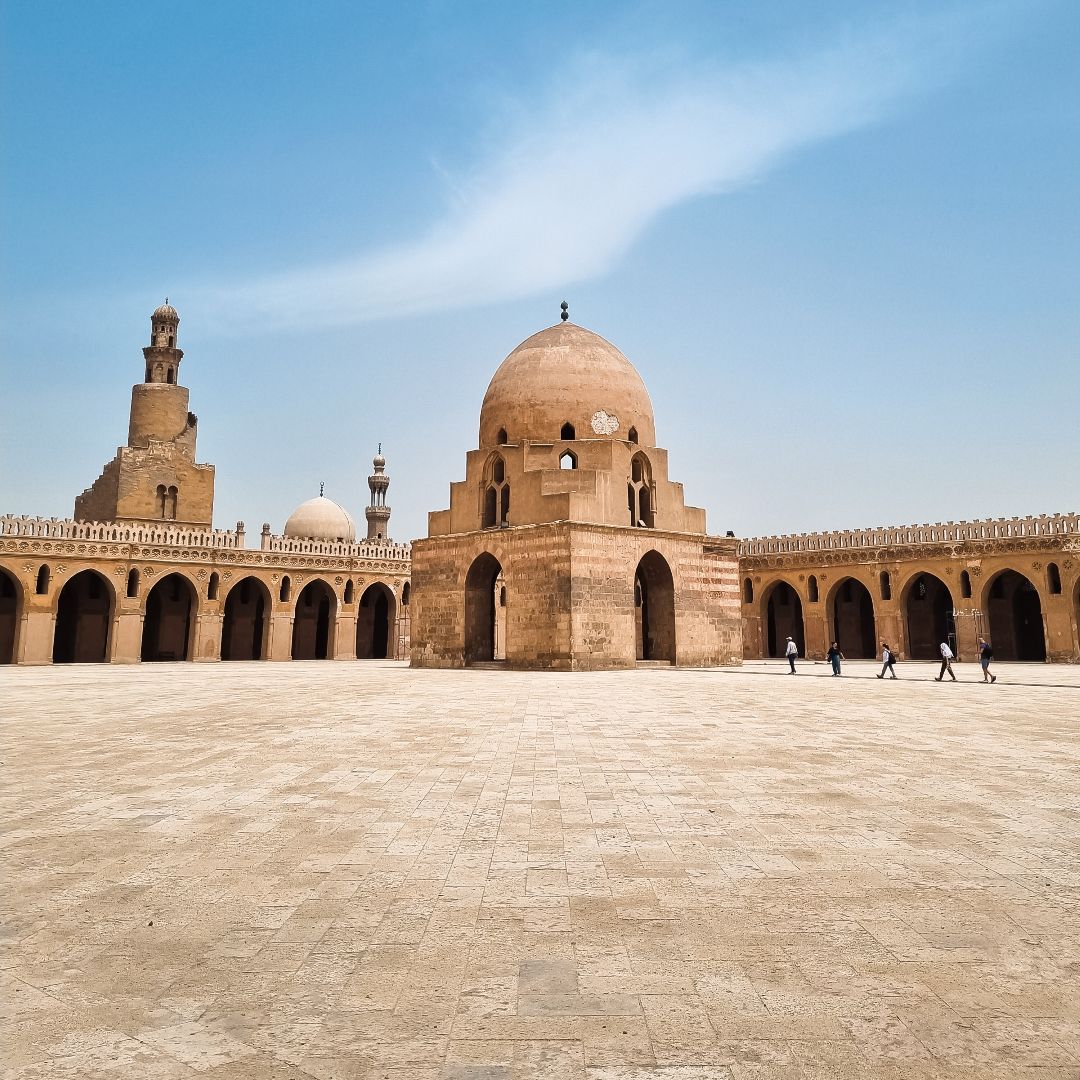
It is the oldest in the city, built in 879, and the one in the best state of preservation. Ordered to be erected by General Ahmad Ibn Tulun, it became a benchmark in the East and one of the most important of the time. It occupies 2.4 hectares and the only part that has been significantly restored is the mihrab, but maintaining original elements such as arches, supports and the general configuration.
Muhammad Ali Mosque
Also known as “the Alabaster Mosque” due to the material that covers the lower part of this construction. It was built between the years 1830 and 1848. It is located on a high point of the Citadel of Cairo. In it rest the remains of Muhammad Ali, whose government constituted a time of modernization of the country. The minarets of the monumental building glow at night.
prev
next