Luxotour
Luxotour
/Japan
/Kanazawa

Kanazawa

It is the capital of Ishikawa Prefecture, a narrow stretch of land extending from the main island of Honshu and stretching along the Sea of Japan. The city had some historical significance as it was home to one of the most important feudal families of the Tokugawa period: the Maeda clan. It was one of the epicenters of culture and art during the Edo period, and today, it remains a favorite spot for art lovers, famous for its well-preserved Edo-period districts, art museums, and regional crafts. It is a city with stunning gardens, a castle, museums, geisha quarters, and gold-leaf and dyeing workshops—in short, many tourist attractions.

The best plans to discover Kanazawa

Kumano Trail

Kyoto - Himeji - Kurashiki - Hiroshima - Miyajima - Koyasan - Kumano Kodo (Kumano Road) - Kawayu Onsen - Osaka - Kanazawa - Shirakawago - Takayama - Nagoya -
local_activityinventory_2
14 nights€6,207per person

Cultural Japan at your own pace

Tokyo - Kanazawa - Kyoto - Osaka
local_activityinventory_2
11 nights

Ninja Route

Tokyo - Matsumoto - Kamikochi (Japanese Alps) - Okuhida - Takayama - Shirakawago - Kanazawa - Eiheji Temple - Kyoto - Toba - Ise - Nara - Osaka
local_activityinventory_2
15 nights

Welcome to Japan

Base 2-3 passengersTokyo - Kamakura - Takayama - Shirakawago - Kanazawa - Kyoto
local_activityinventory_2
10 nights

Welcome to Japan, with Hiroshima

Base 2-3 passengersTokyo - Kamakura - Takayama - Shirakawago - Kanazawa - Kyoto - Miyajima - Hiroshima - Osaka
local_activityinventory_2
12 nights

Welcome to Japan, with Mount Koya

Base 2-3 passengersTokyo - Kamakura - Takayama - Shirakawago - Kanazawa - Kyoto - Mount Koya - Koyasan - Osaka
local_activityinventory_2
12 nights

What to see in Kanazawa?

Kenrokuen Garden

It is considered one of the three most beautiful gardens in the country, the so-called Nihon Sanmeien. It is a perfect example of the typical landscape garden of the Edo period (1603-1868) designed for strolling. Its origins date back to 1676. However, it was not until 1822 that the 12th daimyo (Maeda Narinaga) built the Takezawa Villa southeast of the castle and developed the current garden design with meandering streams, stone bridges, etc. At that time, the garden was named Kenrokuen (Garden of the Six Combined Aspects). After a fire destroyed the villa, the 13th daimyo (Maeda Nariyasu) enlarged the Kasumiga Pond and added several streams, thus completing its basic structure. Finally, on May 7, 1874, it opened to the public after the abolition of the feudal domain system and the fall of the shogunate. On March 8, 1922, they were declared a National Asset of Scenic Beauty, and on March 20, 1985, a National Asset of Special Scenic Beauty.

Oumicho Market

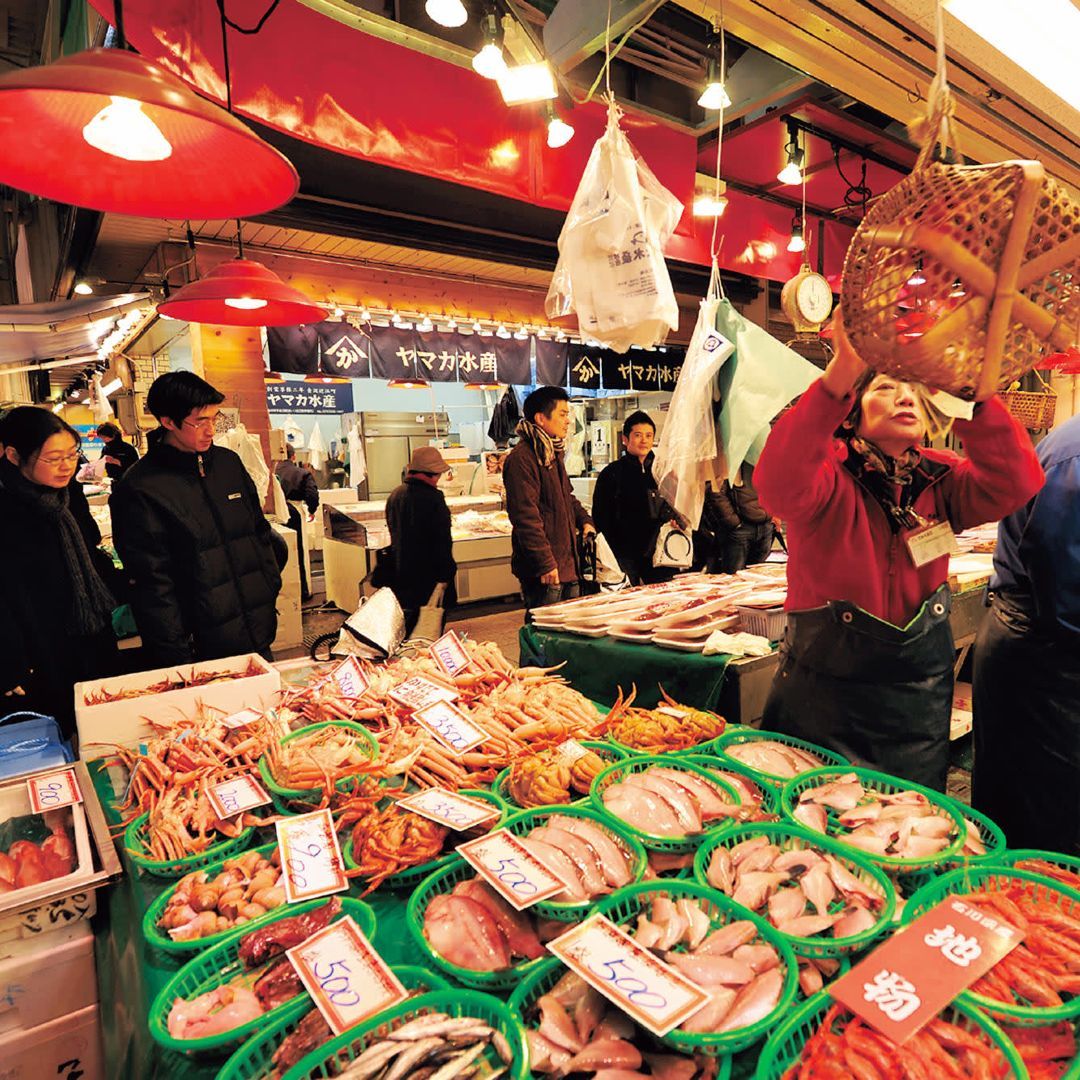
A market with nearly 200 fresh produce stalls, food stalls, and restaurants, which opened in 1721 and has been considered the pantry of Kanazawa since the Edo period. Since then, it has been the place where city residents went to stock up on fresh, quality produce.Today, it is a very large and popular market with around 180 fresh produce stalls, some street food stalls, and restaurants, especially serving fresh fish and seafood from Ishikawa Prefecture, whose capital is Kanazawa. A unique place, ideal for food lovers. It is a bustling market that receives fish and seafood from the Sea of Japan daily, where you will find local chefs and shopkeepers, residents, and tourists strolling from 9 a.m. to 5 p.m.

Higashi Chayagai Neighborhood

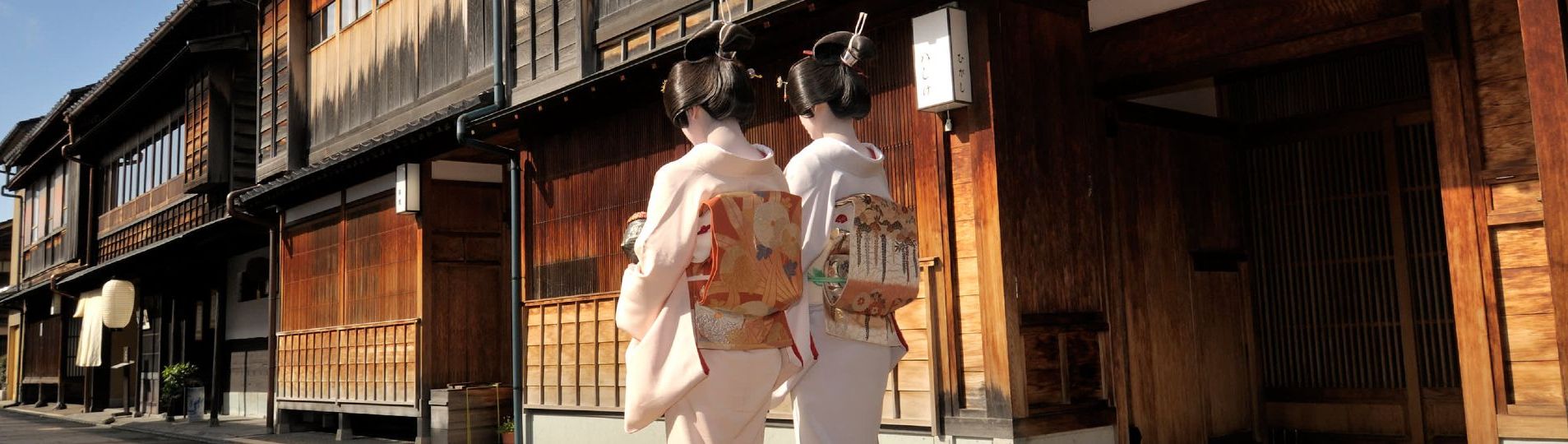
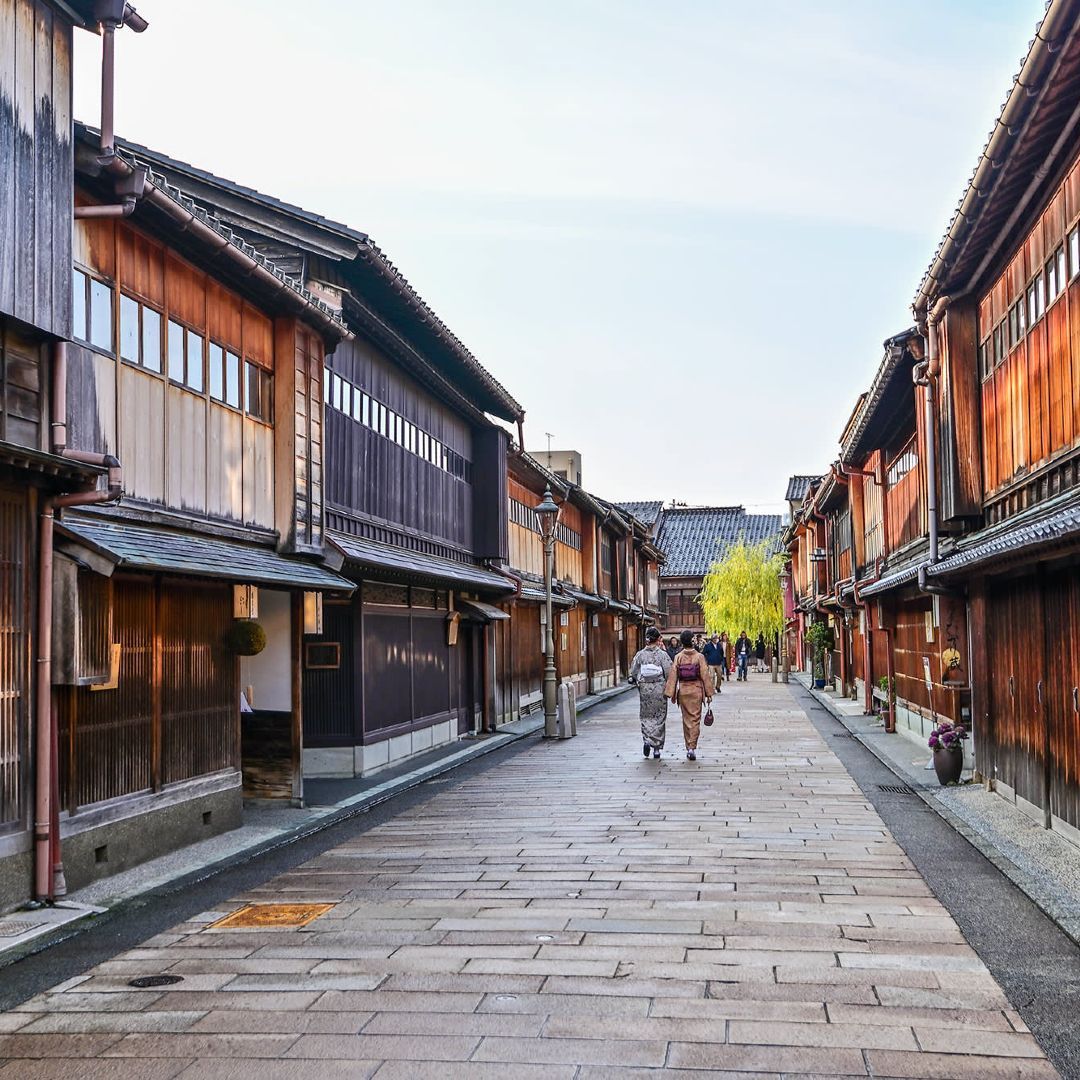
The Eastern Geisha Quarter, or Higashi Chaya, is the largest geisha quarter in Kanazawa and one of the most popular and well-known. When people think of geisha quarters, they most likely think of Kyoto. However, other areas in Japan have active geisha, such as Kanazawa. In fact, there are three distinct geisha quarters in the city.In Japanese culture, geisha houses have been traditional places of celebration and entertainment since the Edo period. Also known as "chaya," geisha houses entertained nobility and wealthy merchants by performing dances and playing traditional Japanese instruments.During the Edo period (1603–1868), there were many teahouses on the bridges near the Asano and Sai rivers. These areas would become true pleasure districts, where people also enjoyed the company of geisha and were entertained by their music and dances. In 1820, the Kaga domain government declared the Higashi Chaya and Nishi Chaya pleasure districts as entertainment areas for merchants and nobles. Today, the entire area still retains the atmosphere of those days. Here you can see two basic characteristics of late Edo period tea houses: wooden lattice facades and second-floor guest rooms with small overhanging porches. These historic buildings, along with Gion in Kyoto and Kazue-machi in Kanazawa, have been designated as cultural properties. No other geisha district has been designated a cultural property in Japan, which makes Higashi Chaya even more special.The district includes facilities where you can see the interiors that were built almost 200 years ago, as well as several older buildings that have been renovated into restaurants, cafes, and souvenir shops. Plus, it takes just a three-minute walk to reach the banks of the Asano River from Higashi Chaya, making it a great area to explore and stroll around.

Nagamachi District

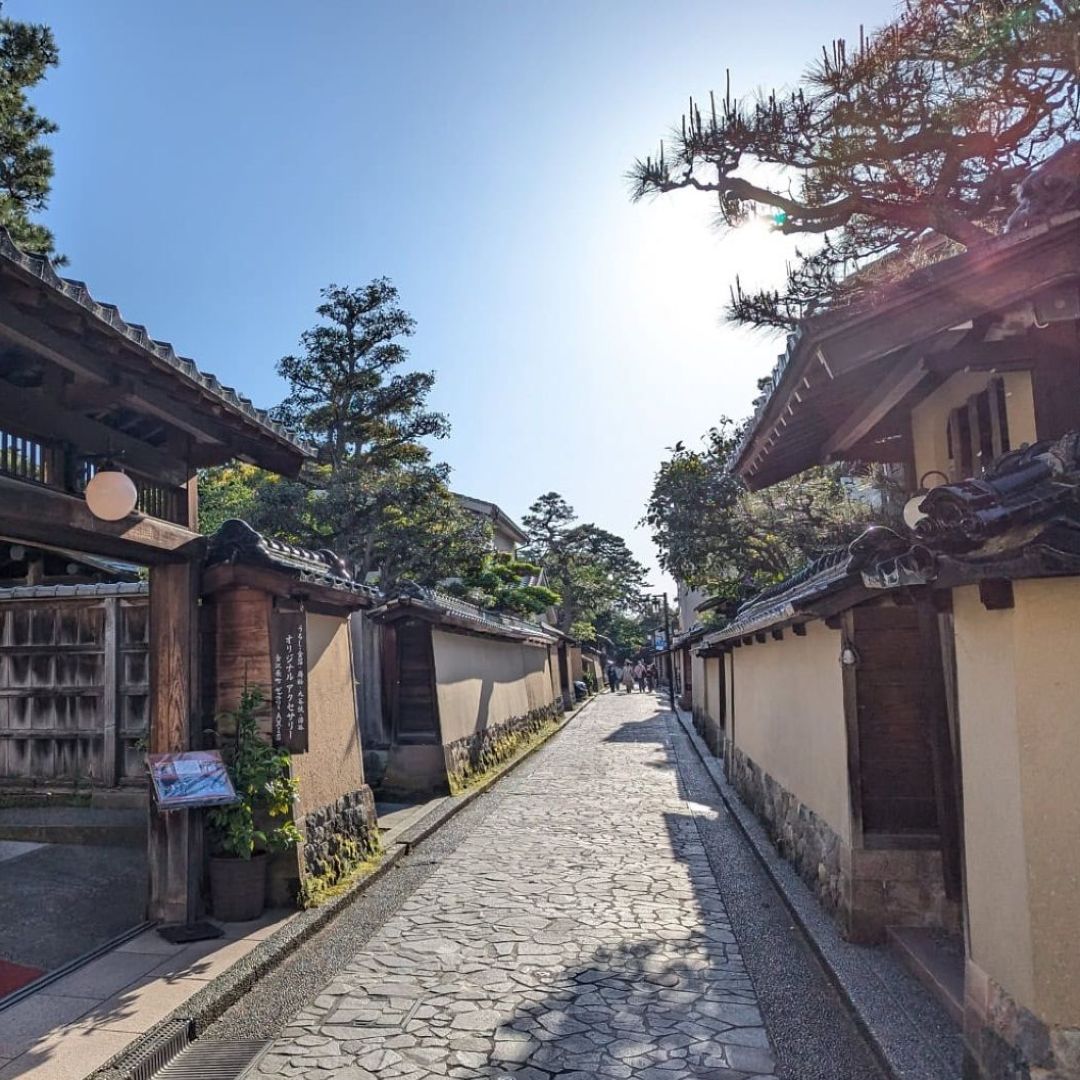
Located near the city center, Nagamachi Ward was the home of Kanazawa's middle-class and some-senior samurai and is famous for its houses and gardens dating back to Japan's feudal era. It is home to Nomura-ke, the residence of one of the most prominent warrior clans, and the Shinise Kinenkan Museum, formerly a pharmacy and now home to 19th-century painted shoji doors and tea sets. Craft shops sell gold-leaf lacquerware and local kutani pottery, and riverside restaurants serve traditional multi-course kaiseki meals.Nagamachi literally means "long city," although it is more likely that it actually takes its name from the surname of a local family, the Cho, which means "long" and can also be pronounced "naga." The historical value of Nagamachi Ward lies in its unusual state of preservation. It has escaped large-scale fires, including the bombings that damaged other major cities like Tokyo and Osaka during World War II. As a result, it retains many Edo-period features: narrow streets, a drainage and water supply system still in use, and restored houses. Many of these residences retain their original adobe walls (tsuchi-kabe), which are still covered in winter with straw mats to protect them from snow and the subsequent cracking it can cause. A walk through Nagamachi, where an Edo-period atmosphere still lingers, offers a glimpse into the heritage of Kanazawa and Japan.
Nomura family residence

Nomura family residence

The Nomura Family Residence (Nomura-ke) in Kanazawa is a meticulously preserved upper-class samurai house that belonged to the Nomura family, high-ranking retainers of the Maeda clan for 12 generations until 1872. Located in the historic Nagamachi district, it was built over 200 years ago and offers a realistic glimpse into the samurai lifestyle of the Edo period. It is notable for its luxurious interiors (cypress woodwork, tatami rooms, samurai armor, swords, and fusuma-e (paintings on sliding doors)), Kanō school art, and an enshu-style Japanese garden that, despite its small size, features a pond, a waterfall, and a Myrica rubra tree over 400 years old.
prev
next

Destinations related to Kanazawa

Japan

prev
next
[email protected]
+34 952 386 777
Circuits
Getaways
Beaches
Safaris
Combined
Special departures
Weekends
Extensions from Marrakech
Mini-vacations
Private circuits
Sports
Easter Special
Special May bank holiday
Destinations
Trips of more than a week
Trips of less than a week
one week trips
A couple
Families
  • ES
  • PT
  • EN
  • FR
Luxotour
Copyrights © LUXOTOUR S.A.U - AN -2906 1-1
General conditions
Privacy Policy
Legal notice